How to Style a Trench Coat Dress: The Complete Outfit Guide for 2026
The Trench Coat Dress in 2026
The trench coat dress — a full-length or midi-length trench coat worn as a standalone dress rather than outerwear, typically belted at the waist and worn with nothing underneath or with minimal base layers — is one of 2026’s most fashion-forward single-piece outfit choices. It directly references the fashion editorial tradition of wearing outerwear as clothing (a practice that traces back to Burberry trench styling and various fashion-week street style moments), and its 2026 relevance connects to the wider fashion interest in ‘naked dressing’ (appearing undressed under conventional outerwear) and the power-dressing tradition of the oversized belted coat as a statement silhouette.
The trench coat dress’s styling versatility is broad: worn belted and fully closed, it reads as a powerful, confident single-piece statement; worn open over a minimal base layer, it reads as a structured outer layer with fashion intentionality; and in a dressier fabric (a satin-finish or silk-like trench), it elevates into evening and occasion contexts.
Types of Trench Coat Dresses
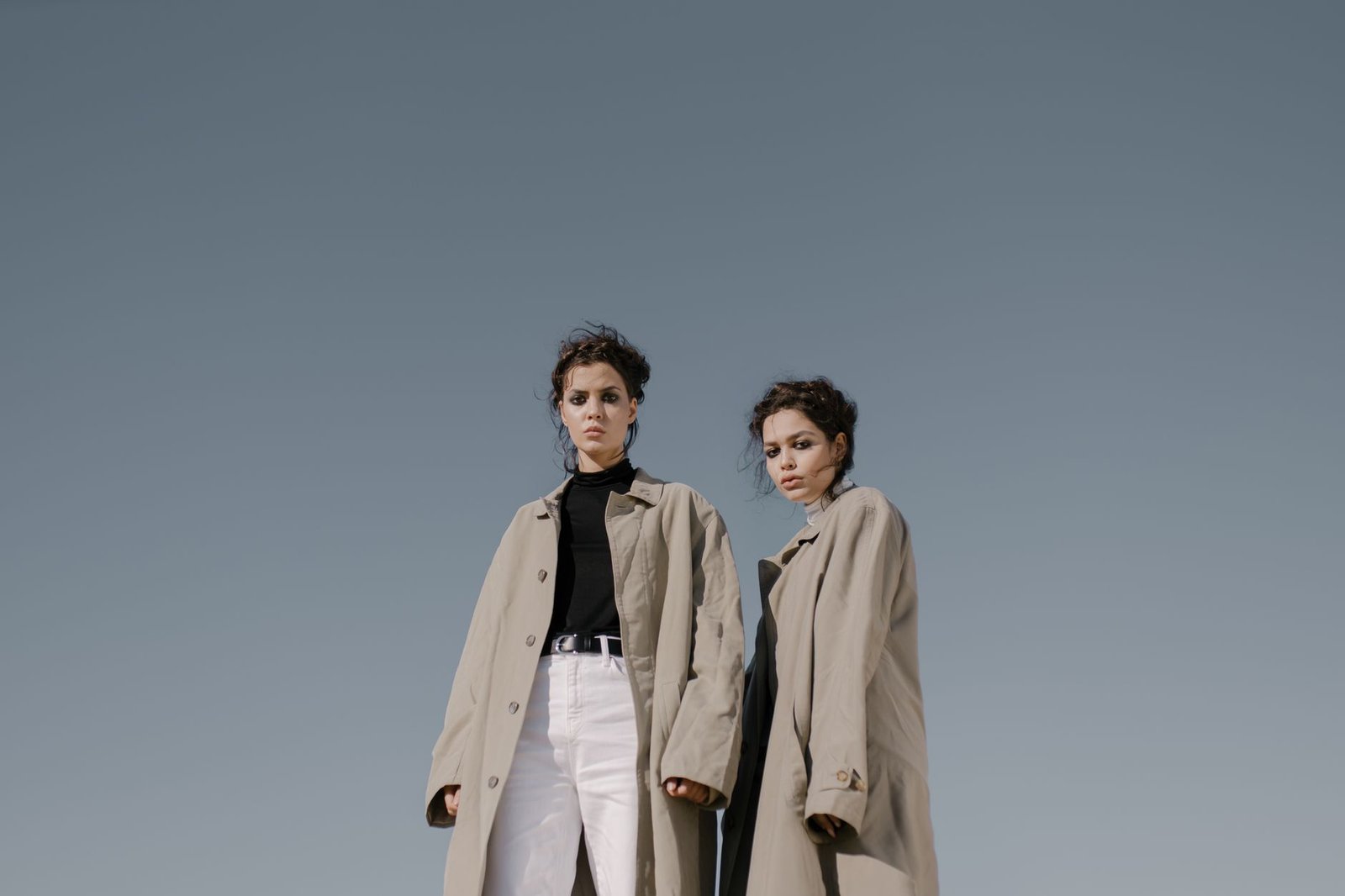
- Classic belted trench dress — the most directly recognisable; in classic camel or cream
- Oversized trench dress — deliberately large and boxy; the most editorial
- Mini trench dress — with a shorter hem; the most fashion-forward
- Satin trench dress — in a dressier fabric; the most occasion-appropriate
- Printed trench dress — in a check or print; the most classic-fashion reference
How to Style a Trench Coat Dress: Outfit Ideas
Classic Belted Trench Dress Standalone
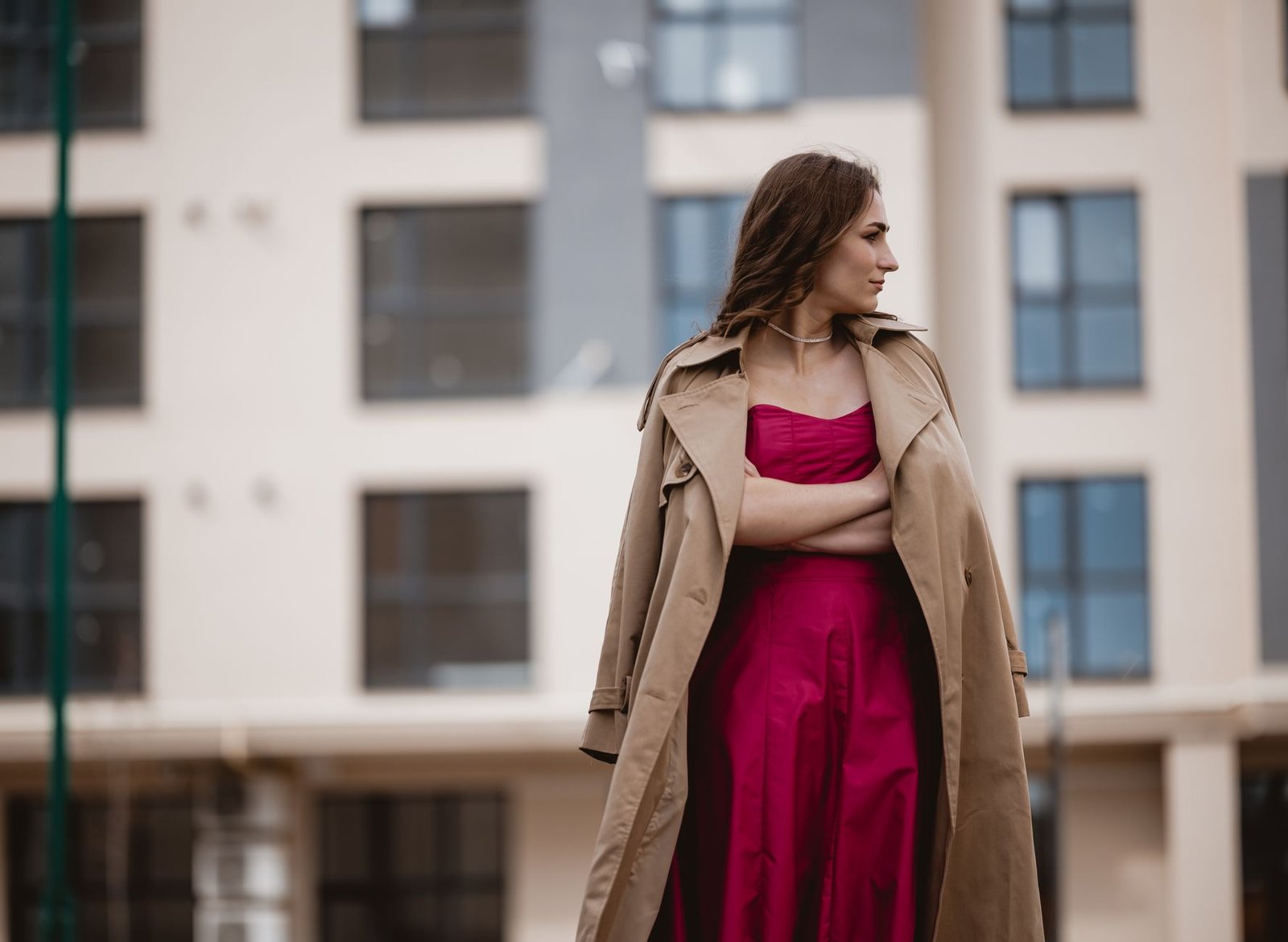
A classic trench coat dress in camel, cream, or a rich neutral — worn fully belted at the natural waist, with nothing visible underneath and the lapels worn open at the chest — with pointed-toe ankle boots or heeled mules, a minimal structured bag, and simple quality jewellery. The trench coat dress’s most deliberately fashion-forward application: the belted trench worn as a complete standalone dress creates a powerful, single-piece silhouette that communicates fashion confidence and editorial awareness. The belt’s placement and tightness determines the outfit’s visual character — a tightly belted waist creates an hourglass silhouette; a loosely knotted belt creates a more relaxed, draped character.
Trench Dress Over Fitted Base Layer
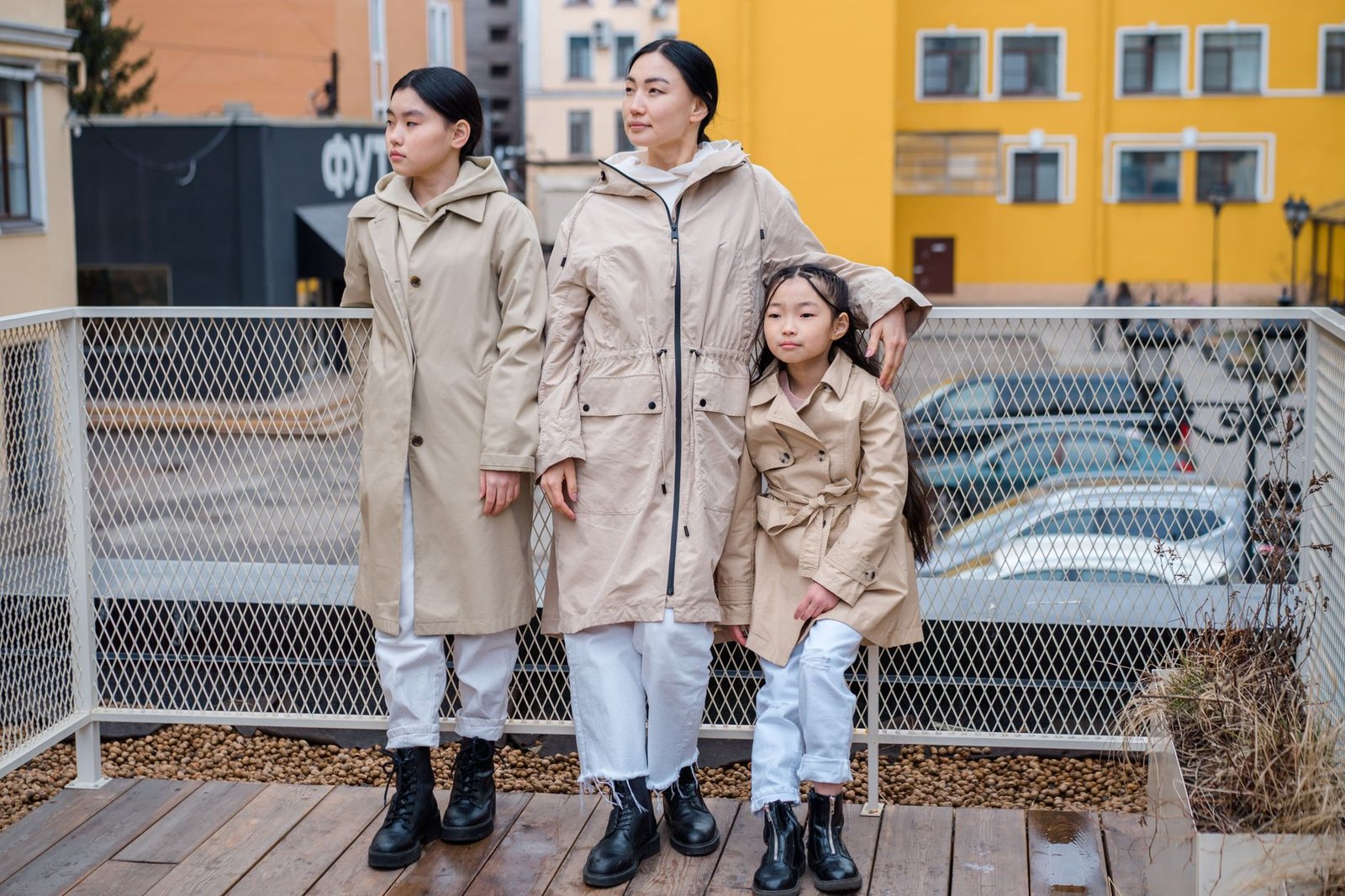
A trench coat dress worn open — or lightly belted without fastening — over a fitted ribbed top and slim-cut trousers or straight jeans, functioning as a dramatic outer layer. The trench coat dress as outer layer rather than standalone: the trench’s full length and structured silhouette create a powerful outer piece when worn open over a simple fitted outfit. With ankle boots and a minimal bag, this approach communicates the fashion-awareness of wearing outerwear as a deliberate styling element rather than purely functional outerwear.
Mini Trench Dress Bold
A mini-length trench coat dress — worn fully belted and closed, with the short hem creating a bold above-the-knee silhouette — with heeled ankle boots or pointed-toe heels, minimal accessories, and a small structured bag. The mini trench dress’s fashion-forward application: the combination of the trench coat’s formal outerwear authority with the mini dress‘s exposed-leg boldness creates a visual tension that communicates deliberate fashion statement-making. With simple, quality shoes that don’t compete with the silhouette.
Trench Dress Smart Professional
A classic midi-length trench coat dress in a quality suiting-weight or structured fabric — worn belted, with the lapels open and the collar up — with quality heeled shoes or pointed-toe loafers, a simple quality bag, and minimal jewellery. The trench coat dress’s professional context application: in a quality fabric and a structured silhouette, the trench coat dress communicates professional authority through the outerwear-as-dress approach. The trench’s historical associations with quality and professionalism (Burberry, field coat origins) give it a specific professional legitimacy that other single-piece outfit choices don’t have.
For a broader look at dressing with professional authority and confidence, the guide to smart casual outfit formulas for women covers the precise register that the trench coat dress occupies in everyday workplace dressing.
Trench Coat Dress Styling Principles

The Belt Is Everything
The trench coat dress’s defining styling element is the belt: its position, tightness, and whether it is tied or buckled dramatically affects the outfit’s visual character. A tightly buckled belt at the natural waist creates the most structured, powerful silhouette; a loosely tied belt creates a more relaxed, asymmetric drape; an unbuckled trench worn open with no belt reads as a coat layer over an outfit rather than a standalone dress. Experimenting with belt position and tightness is the most effective way to adjust the trench coat dress’s look across multiple occasions from the same piece.
Frequently Asked Questions
How do you style a trench coat dress?
The most effective trench coat dress approaches: wear fully belted as a standalone dress with ankle boots and minimal accessories for maximum fashion impact; wear open over a fitted outfit as a structured outer layer; choose a mini trench for a bold above-the-knee statement; or wear a quality midi trench in a structured fabric for professional and smart-casual contexts. The trench coat dress’s key styling principle is the belt — its position and tightness determine the silhouette’s ultimate character more than any other single decision.
Can you wear a trench coat dress alone?
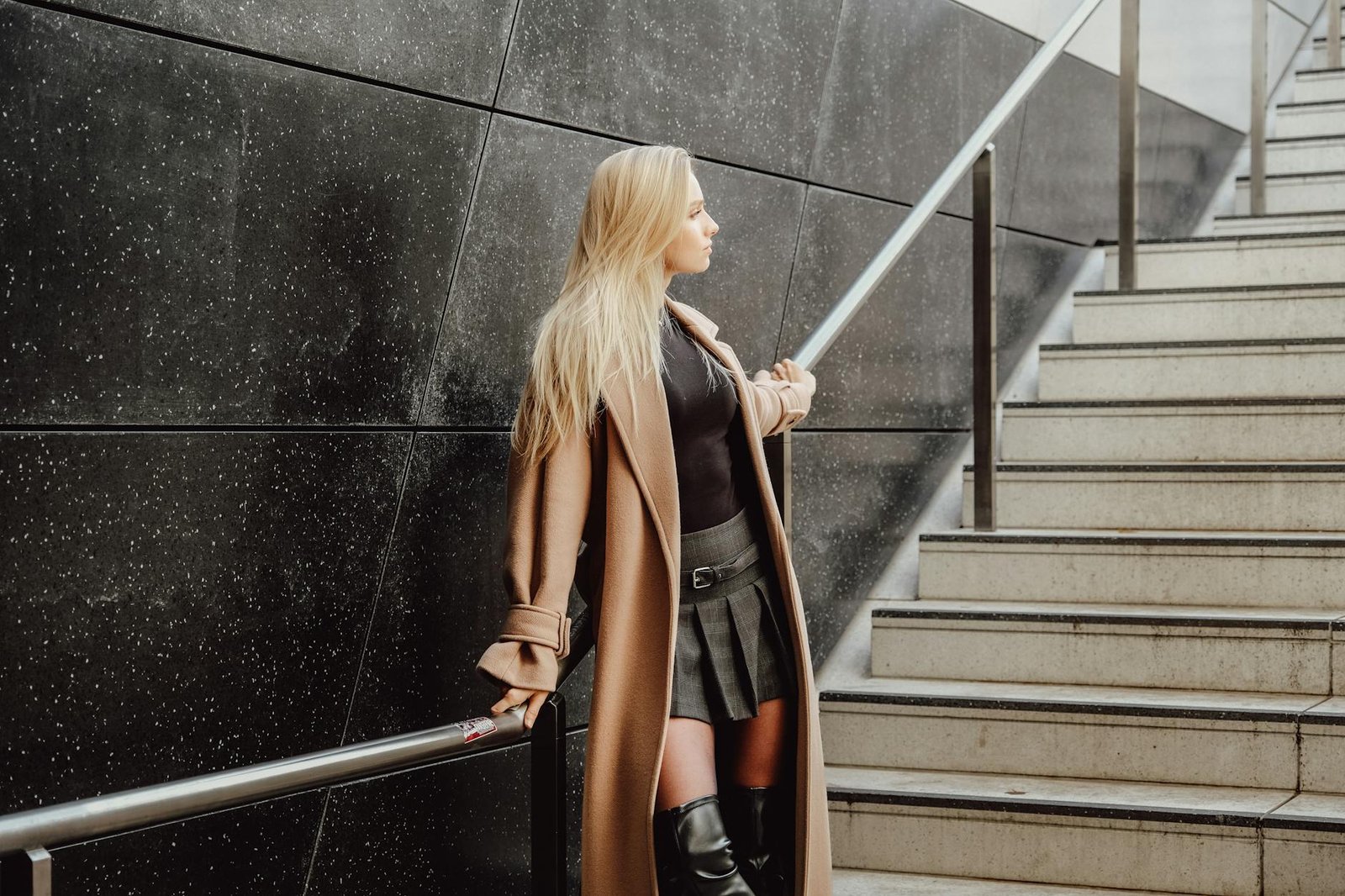
Yes — the trench coat dress is specifically designed to be worn as a standalone dress rather than as outerwear requiring something underneath. When worn belted at the natural waist and fully closed, a well-constructed trench coat dress provides sufficient coverage for most smart-casual to professional contexts.
The lapels worn open at the chest provide the neckline interest; the belted waist provides the shape; and the hem length provides the coverage. A quality lining and sufficient fabric weight ensure that the standalone trench coat dress reads as a deliberate fashion statement rather than an accidentally incomplete outfit.
For creative approaches to wearing trench coats beyond the classic — including as statement dresses and with unexpected layers — Who What Wear’s trench coat styling guide covers the freshest ways to work this wardrobe piece.
Harper’s Bazaar’s guide to trench coats for women covers the season’s best styles and how to wear them.