Fashion Week Street Style: How to Dress Like You’re Outside the Shows
Fashion Week Street Style as a Fashion Language
Fashion week street style — the photographs taken outside the show venues of people attending or working in fashion — has become one of the most influential visual sources in contemporary fashion. The styling choices of the people outside the shows have, in many periods and many cities, become as photographed and as influential as the collections inside the shows themselves.
Fashion week street style is fashion at its most self-conscious and performative: the people being photographed know they’re being photographed and have dressed accordingly. This makes it a uniquely deliberate fashion laboratory where extreme stylistic choices are normalised and where avant-garde approaches that wouldn’t work in everyday contexts can be tested and expressed.
Understanding fashion week street style means understanding a set of styling principles that are pushed to their maximum expression in that specific context, and learning which of those principles can be transported into everyday dressing at a lower intensity.
The Fashion Week Street Style Principles
Statement Outerwear as the Focal Piece
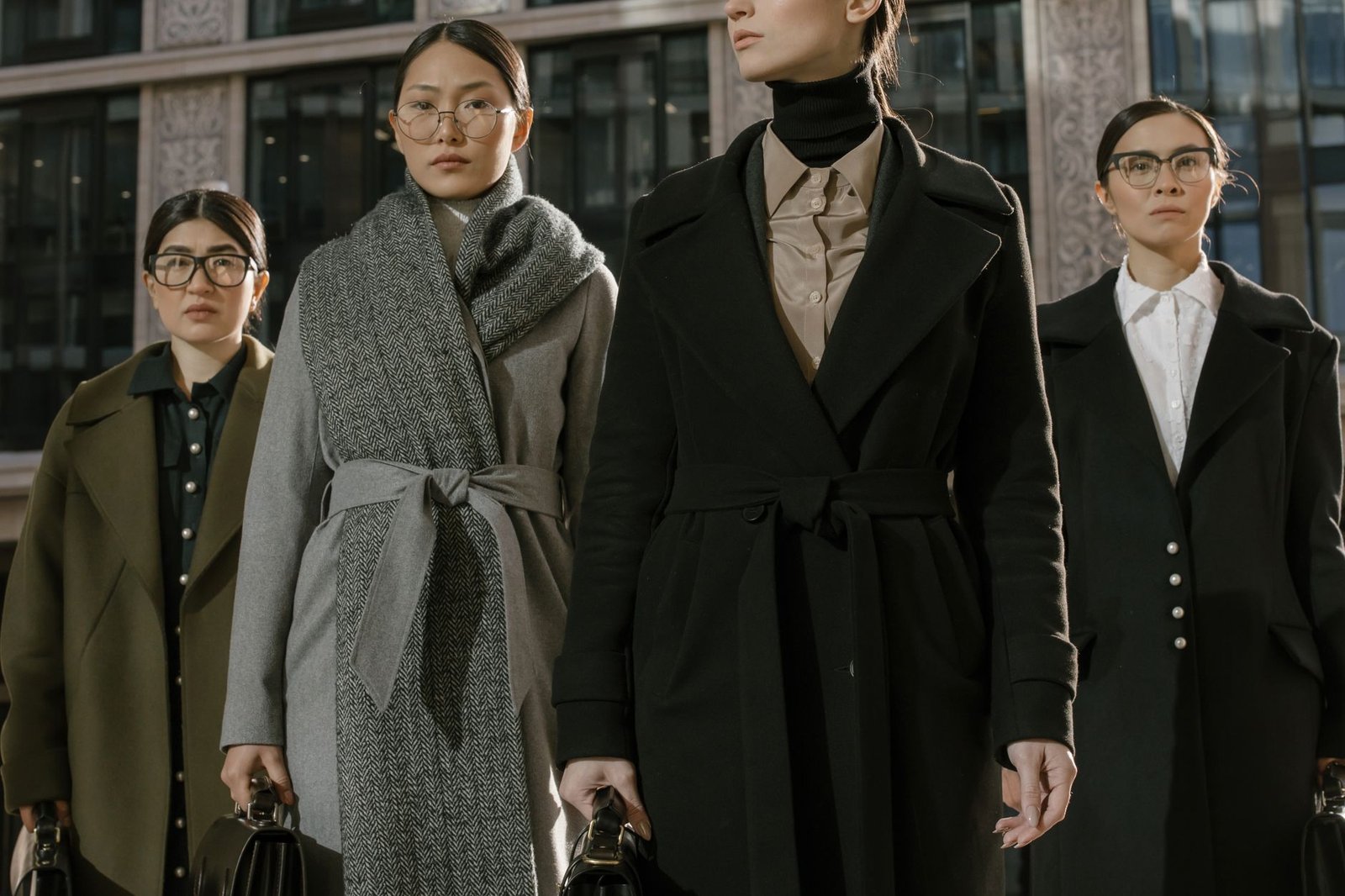
Fashion week street style is extremely outerwear-focused — the dramatic coat, the statement jacket, and the unusual outer layer are almost always the focal piece of the photographed outfit. This reflects both the practical reality that fashion weeks happen in spring and autumn when outerwear is required, and the stylistic logic that outerwear — the outermost layer visible to the world — is the most efficient place to make a visual statement.
The fashion week street style coat can be extreme in silhouette, colour, or material in a way that everyday dressing might not support. The transposable principle: invest in statement outerwear as the highest-return piece in any dressed-up outfit.
Proportional Extremity
Fashion week street style consistently pushes proportion to extremes — very oversized tops with very fitted bottoms, dramatically wide-leg trousers with very fitted upper halves, or extremely long coats over cropped pieces. The extreme proportion choices photograph well because they create strong silhouettes that read clearly at a distance. The transposable principle: the same proportion logic applies at any intensity — balancing volume between top and bottom remains correct even at moderate proportional extremes.
High-Low Contrast
Fashion week street style frequently combines expensive, luxury, or fashion-forward pieces with completely unexpected, casual, or anti-fashion elements — a couture blazer with athletic shorts, designer footwear with a vintage thrift tee, or luxury accessories with a very simple base outfit. This high-low contrast signals fashion confidence: the person wearing it is secure enough in their taste to not need the entire outfit to signal quality. The transposable principle: adding one deliberate low-key element to a dressed-up outfit creates a more interesting, fashion-aware combination than keeping everything at the same register.
Accessories as Architecture
Fashion week street style uses accessories as structural elements of the outfit rather than as afterthoughts — the bag’s silhouette, the shoe’s height and visual weight, and the jewellery’s scale are chosen in deliberate relationship to the rest of the outfit. Accessories create visual punctuation and anchor the outfit’s overall composition. The transposable principle: treat footwear, bag, and key jewellery as part of the outfit’s design rather than as additions to it.
Fashion Week City Aesthetics

New York Fashion Week Street Style
New York street style tends toward the directional but wearable — a strong sportswear and streetwear influence, confident colour, and a practical edge that reflects the city’s physical demands. The New York fashion week attendee’s outfit needs to survive a city environment of unpredictable weather and physical movement. Key influences: American sportswear, contemporary streetwear, and the confident, pragmatic New York approach to fashion.
London Fashion Week Street Style
London street style is the most experimental and the most willing to push into genuinely avant-garde territory. The London fashion week crowd takes the most risks, wears the most unusual combinations, and embraces the most theatrical interpretations of current trends.
Subculture references — punk, goth, rave — are more visible in London than in any other fashion week city. The London approach: more is more, stranger is better, and confidence trumps conventional good taste.
Milan Fashion Week Street Style
Milan street style leans into luxury, tailoring, and the specific sartorial tradition of Italian fashion. Impeccable tailoring, quality fabrics, and a very specifically Italian approach to colour and proportion define Milan’s street style output. The Milan approach is less experimental than London and less streetwear-influenced than New York, but consistently the most polished and quality-focused of the four main fashion week cities.
Paris Fashion Week Street Style
Paris street style has a specific quality of careful effortlessness — outfits that appear unstudied but are clearly very deliberately considered. The classic Parisian approach: combining one or two statement pieces with very simple, quality basics in a way that reads as confident and personal rather than trend-driven. Berets, quality scarves, and leather bags are Paris street style signatures; so is the quality of individual pieces chosen over the quantity of styling elements.
Fashion Week Street Style Outfit Ideas
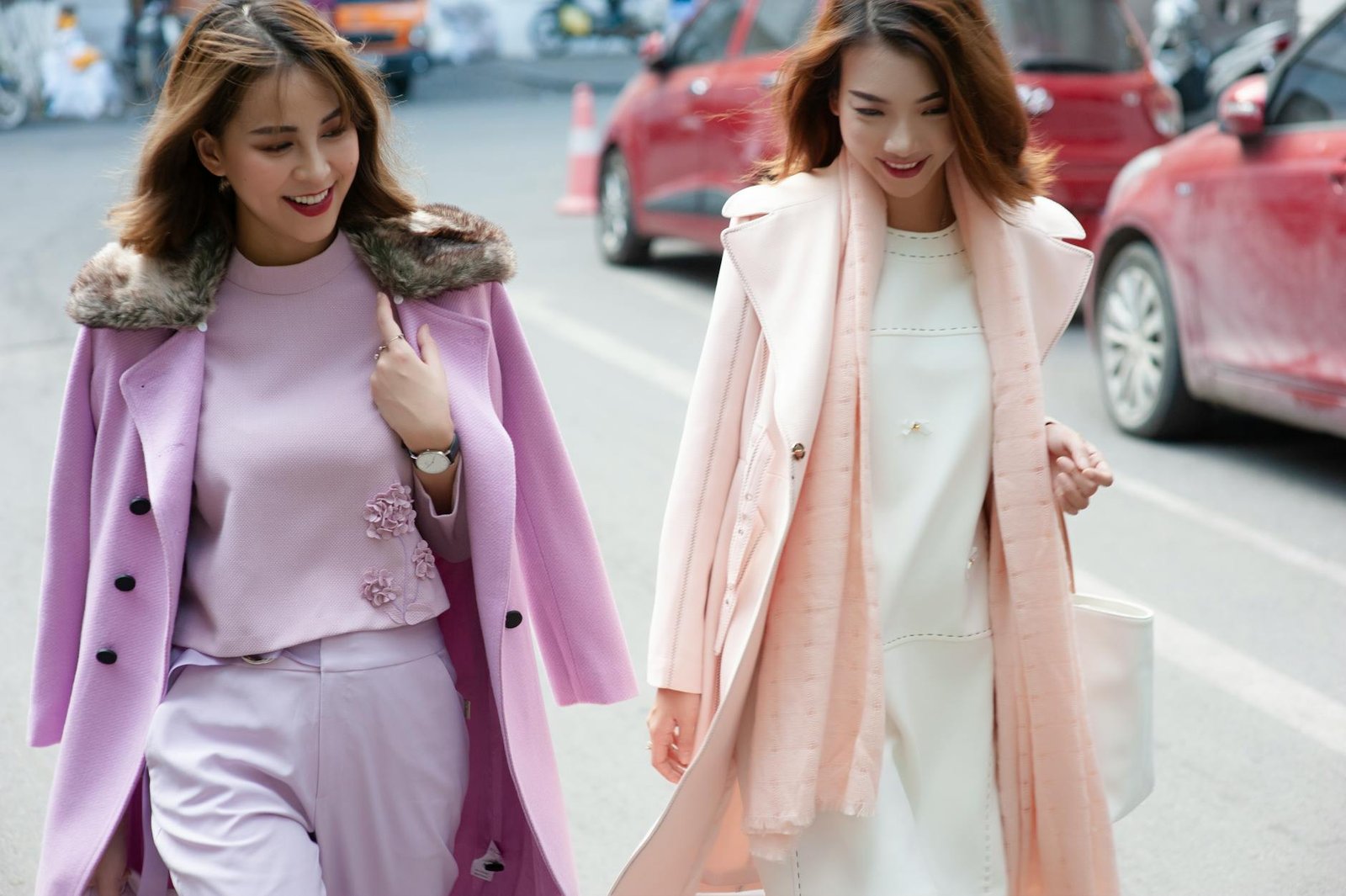
The Statement Coat Outfit
A dramatic coat — oversized, unusual texture, bold colour, or extreme silhouette — over a very simple or very dressed-down inner layer. The drama of the coat carries the entire outfit; the simple inner layer allows the coat’s statement to read clearly. White tee and simple trousers under an extraordinary coat is the clearest expression of this fashion week street style approach.
High-Low Mix
A luxury or fashion-forward piece — a quality bag, an editorial shoe, a designer accessory — paired deliberately with simple, casual pieces. The single elevated piece defines the outfit’s taste level; the casual base communicates confidence rather than effort.
Proportion Maximalism
An extreme proportion outfit — very oversized top with very fitted bottom, or dramatically wide-leg bottom with extremely fitted top — pushed to the limit of wearability. The extreme proportions photograph dramatically and create a strong fashion statement. Wear with confidence and commit fully to the proportional choice.
The Parisian approach to fashion week street style — combining one or two carefully chosen pieces with very simple quality basics — has a direct relationship to the broader French girl aesthetic. Our guide to French girl style outfits covers how to apply the same effortless, considered approach to everyday dressing that makes Paris fashion week street style so consistently photographed.
Fashion week street style consistently demonstrates that a single statement bag can elevate an otherwise simple outfit more effectively than any other accessory. Our guide to how to style a statement bag covers the styling logic for treating the bag as an architectural element of the outfit rather than as an afterthought.
For direct visual reference from the shows, Refinery29’s coverage of New York Fashion Week SS26 street style captures the specific transitional outfit approaches — jewel tones, elevated basics, statement coats — that define the current fashion week street style moment.
Frequently Asked Questions
What do people wear to fashion week?
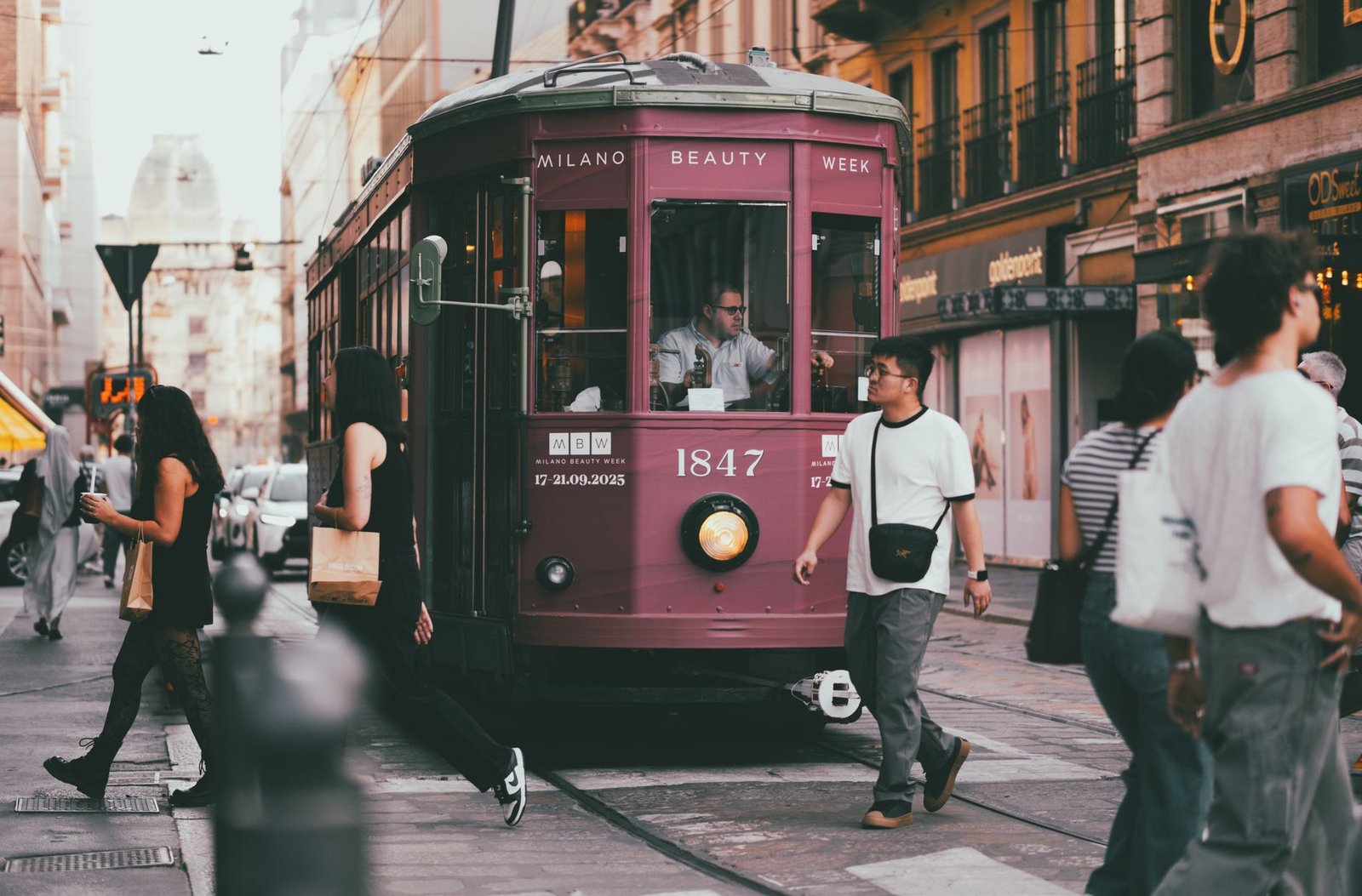
Fashion week attendees dress to be photographed — they wear statement outerwear, extreme proportions, high-low contrasts, and carefully considered accessories. Common elements: a dramatic coat or jacket as the focal piece, a strong footwear choice, a statement bag, and the distinctive combination of one or two very high-quality or avant-garde pieces with simpler or more casual base pieces. The overall impression should be deliberate, confident, and fashion-literate.
How do I dress like fashion week street style in everyday life?
Take the same principles at lower intensity: invest in one statement outerwear piece as your primary style investment; mix one very elevated or unusual piece with simple, casual base pieces (high-low contrast); pay attention to the proportion relationship between your top and bottom halves; and treat accessories as part of the outfit’s design rather than as additions. The fashion week street style approach applies at any level of investment — it’s a way of thinking about outfit composition, not a specific wardrobe requirement.