All Black Outfits Guide: How to Make Monochrome Black Work Every Time
Why All Black Never Goes Out of Fashion
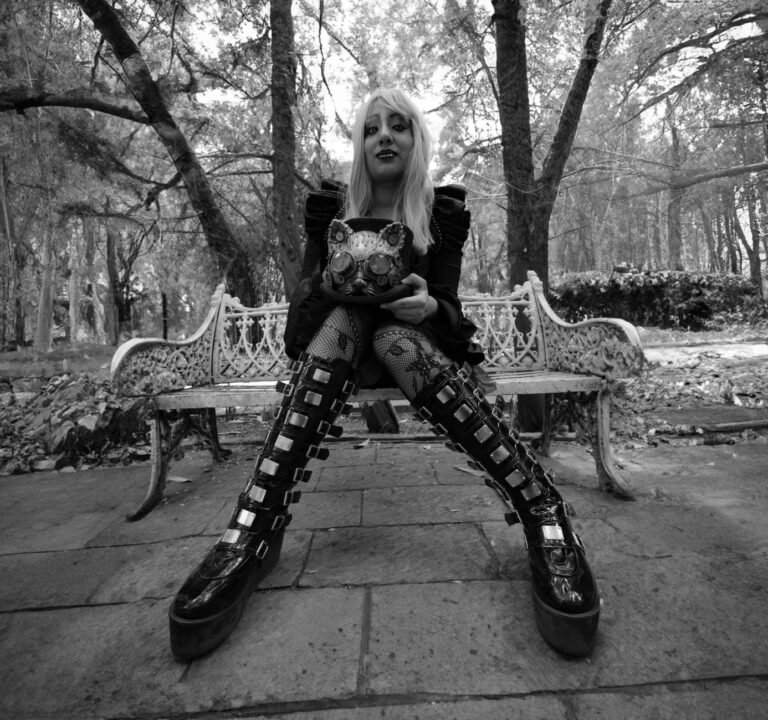
The all-black outfit is one of fashion’s most reliable and enduringly relevant choices — it is flattering across body types, communicates a specific kind of understated confidence, and serves as the default palette for multiple subcultures and style contexts simultaneously. Black is the colour of post-punk fashion, of luxury fashion, of minimalist design culture, and of professional creative environments. An all-black wardrobe is never wrong and rarely boring when approached with attention to texture, proportion, and the subtle variation of value that makes black-on-black interesting.
The challenge with all-black dressing is preventing flatness — a monochromatic black outfit where every piece is the same texture, weight, and finish reads as a uniform rather than a considered outfit. The principles that prevent this flatness are the same principles that make any monochromatic outfit interesting: texture contrast, proportion variation, and material quality differentiation.
The Principles of Good All-Black Dressing
Texture Contrast
Different black materials create different surfaces under light — the opacity and sheen differences between matte cotton, glossy leather, textured knitwear, woven twill, and technical nylon create visual variety within the black palette that the eye reads as depth and interest. An all-black outfit using multiple distinct textures — say, a matte jersey tee, woven cotton twill trousers, and a shiny leather jacket — creates significant visual richness despite the colour uniformity.
Value Variation
Not all blacks are the same black — a very dark charcoal, a true black, a slightly faded black, and a black with blue or brown undertones all sit at different values and create subtle tonal variation in an all-black outfit. This variation adds dimension and prevents the outfit from reading as a single flat surface. Deliberately including pieces at slightly different black values (a faded black tee under a crisp black jacket) creates the kind of tonal depth that makes monochromatic dressing sophisticated.
Proportion as the Primary Variable
With colour and pattern removed as styling variables, proportion becomes the primary tool for creating interesting all-black outfits. The relationship between the volume of the top and the bottom, the relative length of outer layers, and the silhouette created by the combination of fitted and loose pieces are the only variables available — so they must be managed with intention. Interesting proportion contrasts make all-black outfits dynamic; uniform proportions across the outfit make them flat.
The all-black outfit has established itself as a perennial style constant across subcultures and occasions — men’s style editors consistently return to all-black as the reference point for confident, unfussy dressing that communicates a specific and assured aesthetic position.
All-Black Outfit Ideas
The Classic Rock Build
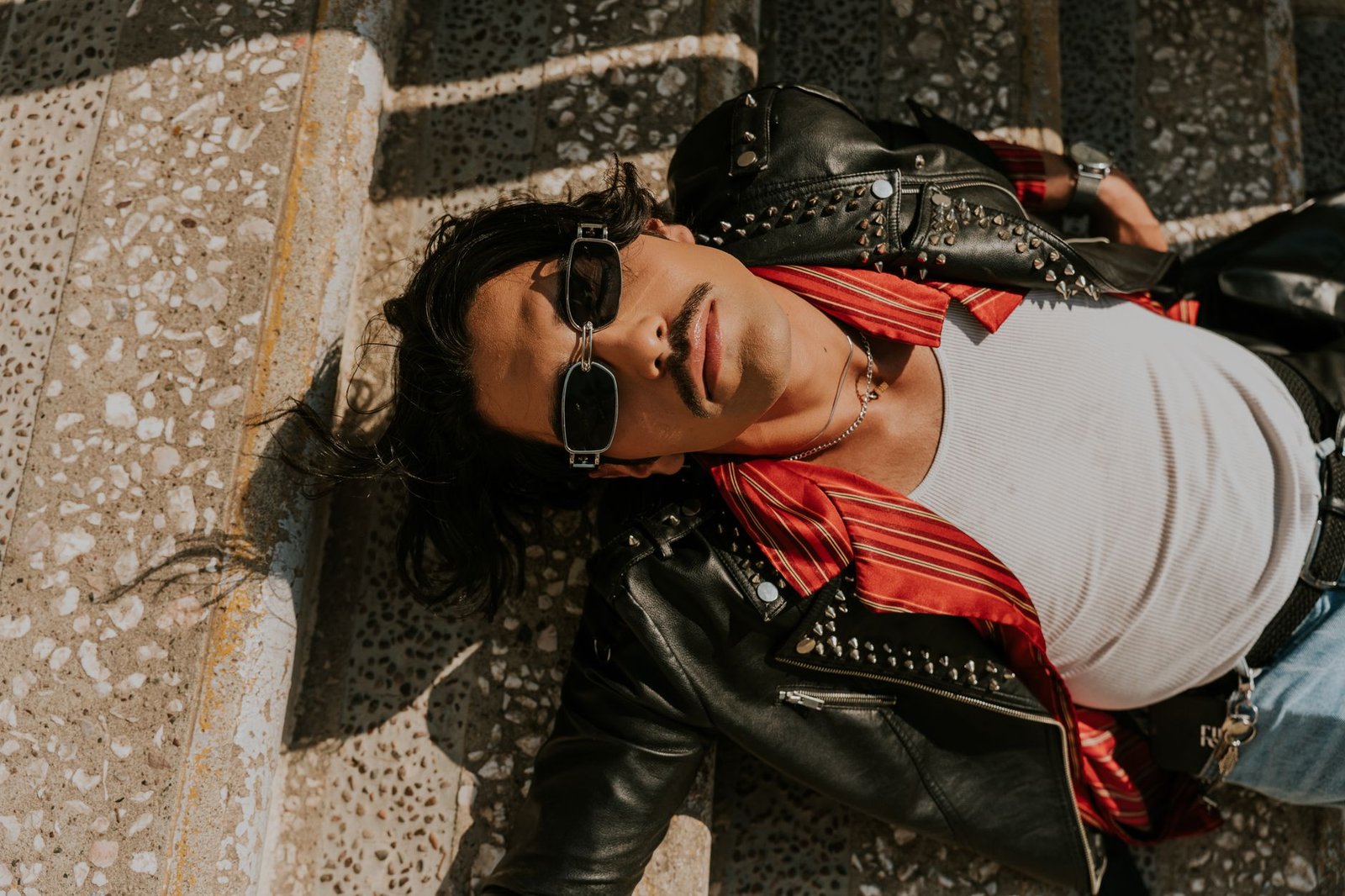
Black fitted tee tucked into slim black jeans or trousers with a black leather jacket over the top and black ankle boots. The three-texture combination (jersey, denim/twill, leather) creates the material variation that prevents flatness.
Belt in black leather. This is the most historically established all-black outfit and remains one of the most visually strong — the leather jacket’s structure contrasts with the relaxed tee and the fitted trouser creates a complete, proportioned silhouette.
Minimalist All-Black Streetwear
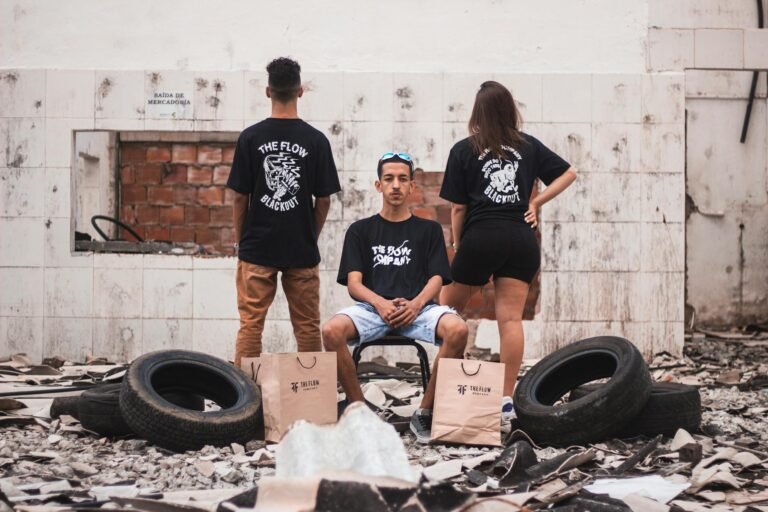
An oversized black tee with relaxed black trousers or wide-leg black jeans, a black technical or nylon outer layer, and black trainers or clean black shoes. Keeping all textures in the matte range (no leather, no satin) and all proportions relaxed creates a uniform softness that reads as deliberate minimalism rather than default dressing. The technical outer layer adds material variation through the nylon’s slight sheen against matte cotton.
All-Black Evening Look
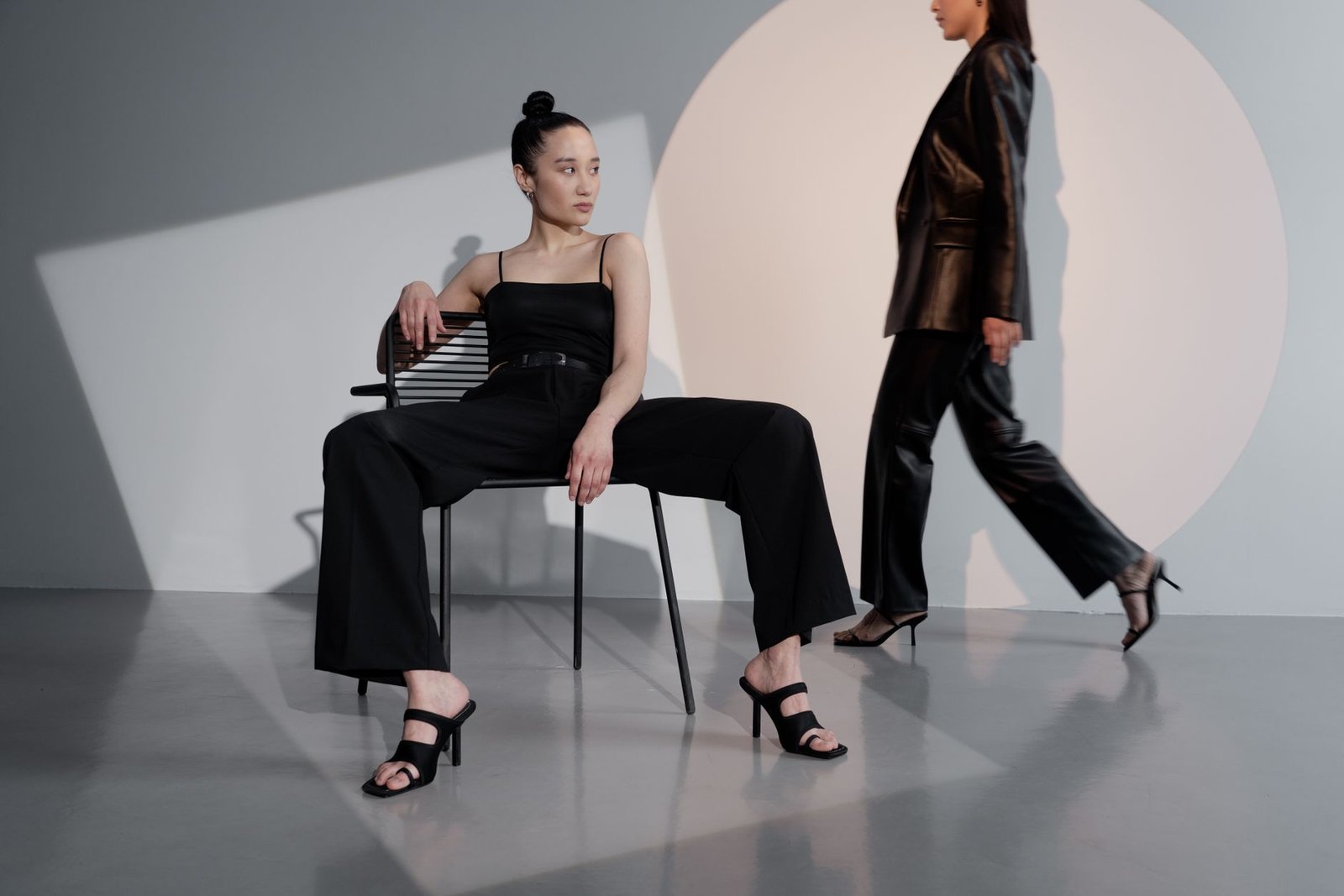
A black satin or silk top — camisole, fitted blouse, or bodysuit — with black tailored trousers or a fitted black midi skirt, black heeled shoes, and a simple black clutch or bag. The material shift from matte daytime basics to silk or satin for the top piece elevates the all-black combination into evening territory without requiring any colour. Minimal gold jewellery adds warmth.
Layered All-Black
Multiple black pieces layered with visible depth: a black long-sleeve tee as a base, a black short-sleeve graphic tee over it, a black overshirt or zip-up over both, with black straight jeans and black trainers. The layering creates multiple textures and constructions visible simultaneously — the sleeve layers create the visual interest that a single-piece outfit cannot.
Smart-Casual All-Black
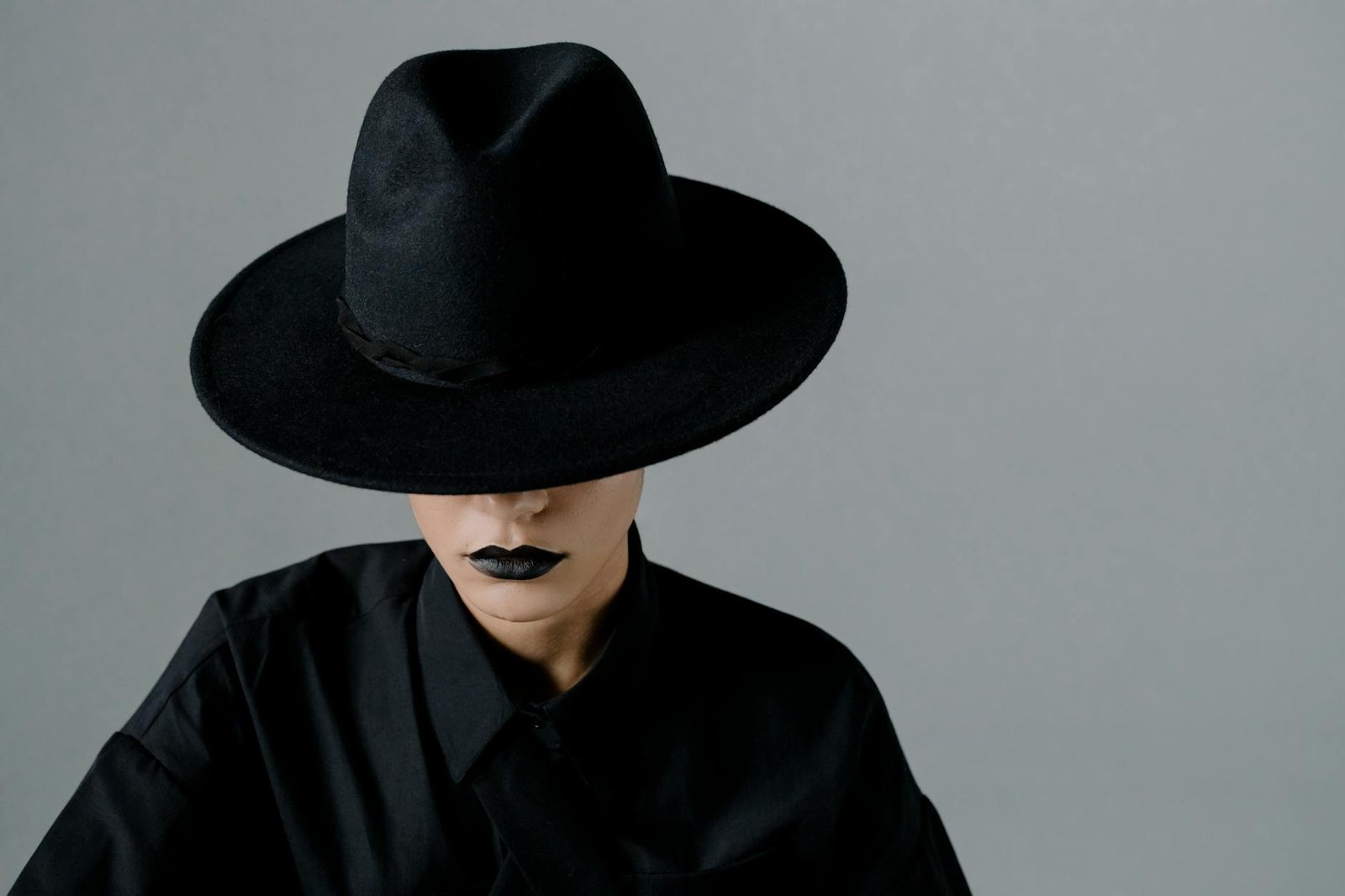
A fitted black turtleneck with straight or wide-leg black trousers, a black structured blazer, and clean black leather shoes or black loafers. The turtleneck eliminates the shirt-collar-visible-above-knitwear visual element and creates a single, clean neckline.
The blazer adds structure. This all-black combination works across professional creative, gallery, dinner, and smart-casual occasion contexts.
Textural All-Black Build
A black ribbed knit turtleneck with wide-leg black suede or corduroy trousers, a glossy black leather or coated-nylon outer jacket, and black chunky trainers or boots. Three completely different textures (ribbed knit, suede/corduroy, leather/nylon) create maximum material contrast within the black palette — this is the most textural all-black formula and one of the most visually complex despite using only one colour.
Common All-Black Mistakes to Avoid
- All matte, all same weight — uniform texture creates flatness; introduce at least one contrasting surface
- All the same silhouette — uniform proportions create a shapeless reading; vary the fit between fitted and relaxed at different layers
- All freshly dyed the same black — identical black values across every piece looks like a deliberate costume; mix slightly different blacks (faded, dark charcoal, pure black)
- No accessory warmth — all-black can look cold and severe; minimal gold jewellery or a warm-toned accessory (camel bag, brown leather shoes) adds warmth without breaking the palette
When All Black Is Always the Right Answer
- When you need a reliable outfit for an event or occasion where you are uncertain of the dress code
- When nothing in your wardrobe seems to work together — all-black removes the colour coordination problem entirely
- For professional creative environments where the aesthetic signals of your clothing content matter more than colour expression
- For evening occasions where the alternative would require significant styling effort
Frequently Asked Questions
How do you make an all-black outfit interesting?
Through texture contrast (different materials creating different surface qualities under light), proportion variation (fitted vs. relaxed pieces at different layers), and subtle value variation (slightly different blacks that create tonal depth). An all-black outfit that uses three different textures and an interesting proportion contrast is more visually compelling than an all-black outfit where every piece is the same matte jersey in the same silhouette.
What shoes go with all-black outfits?
Black shoes maintain the monochromatic palette most consistently — black ankle boots, black trainers, or black loafers all work. White or clean white trainers are the most common exception to the all-black principle, creating a deliberate value contrast at the foot that many people find preferable. Avoid mid-value or coloured shoes that create neither a clean monochromatic effect nor a clear deliberate contrast.