How to Style a Beret: The Complete Outfit Guide for 2026
The Beret as a Fashion Statement
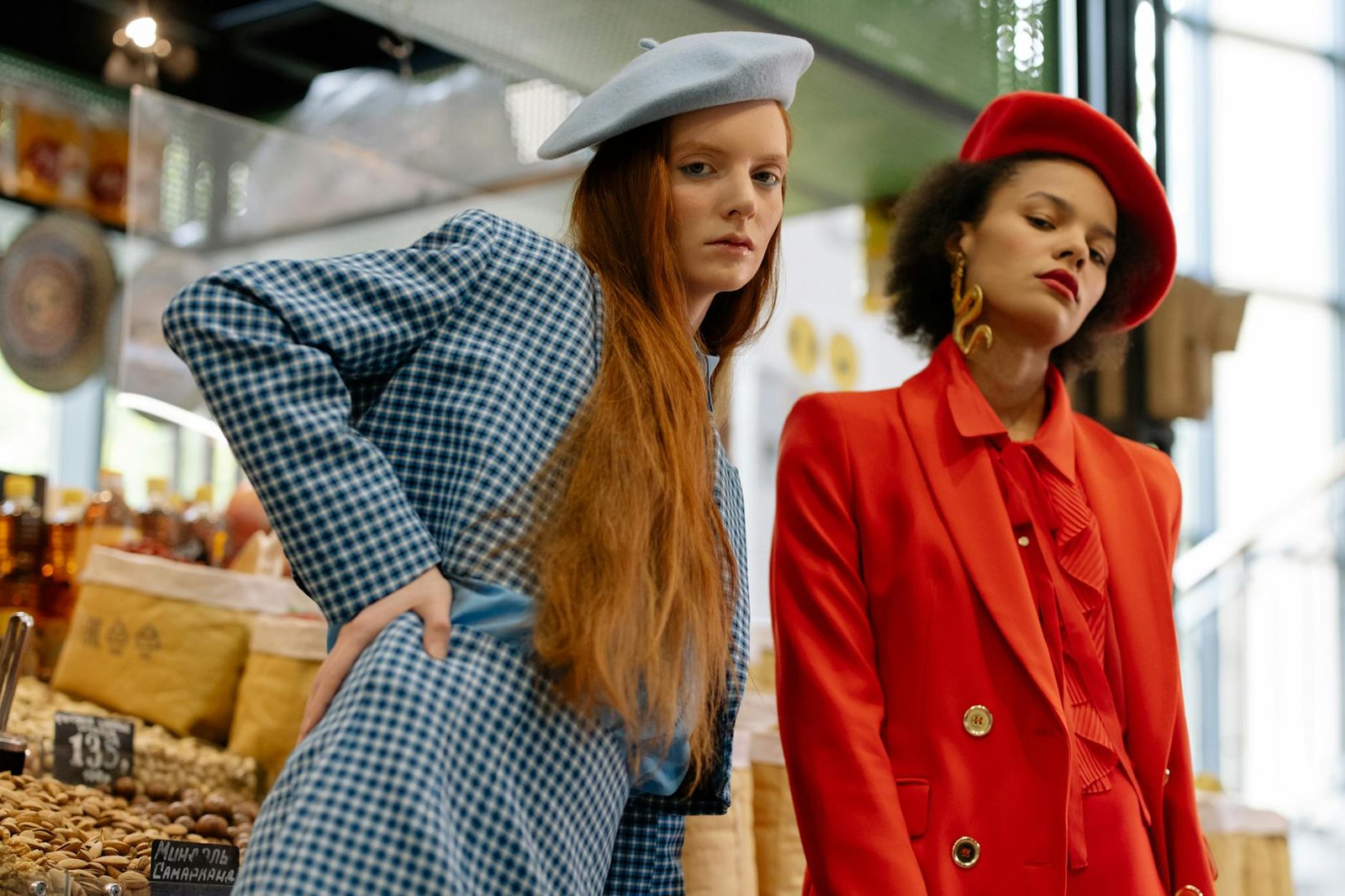
The beret — a round, flat-crowned hat with a soft, full crown that can be shaped and positioned in multiple ways — is fashion’s most intentionally stylish hat. Unlike the baseball cap‘s casual, street-culture character or the wide-brim hat’s dramatic volume, the beret communicates a specific aesthetic intelligence: it signals awareness of fashion’s French heritage, a comfort with aesthetic self-expression, and an understanding of how accessories can transform a basic outfit into a deliberate visual statement.
In 2026, the beret has moved from pure French-cliché novelty into genuine everyday fashion accessory territory — worn tilted, slouched, or centred depending on the outfit’s aesthetic direction. Its versatility across aesthetics (dark academia, Parisian chic, streetwear, soft girl) makes it one of fashion’s most cross-niche accessories.
Types of Berets
- Classic wool felt beret — the most traditional; warm and firm; autumn and winter appropriate
- Soft knit beret — more relaxed and slouchy; casual and street-style-friendly
- Leather or faux-leather beret — the most fashion-forward; adds edge to softer outfits
- Beret with embellishment — pins, embroidery, or brooches; the most expressive format
- Coloured beret — in a non-neutral colour; functions as the outfit’s accent piece
How to Style a Beret: Outfit Ideas
The Classic Parisian Beret Outfit
A classic wool beret in black or dark navy, worn tilted to one side, with a striped Breton top, straight or wide-leg navy or dark trousers, and clean leather loafers or ballet flats. The most culturally legible beret outfit — deliberately referencing French fashion’s classic visual language.
The tilted placement of the beret is essential: a beret worn flat and centred reads as utilitarian headwear; a beret tilted to the side reads as a deliberate, fashion-aware styling choice. With a structured leather bag and a long coat in winter.
Beret in Dark Academia
A chocolate brown or dark burgundy wool beret worn with a tweed or herringbone blazer, a turtleneck or collared shirt, wide corduroy or tailored trousers, and Oxford shoes or Chelsea boots. The beret’s academic heritage (French intellectual culture, artists and writers) makes it a natural fit for the dark academia aesthetic — its presence in the outfit communicates both fashion literacy and a specific set of cultural references. Tilted slightly forward and to the side rather than sitting flat on the crown of the head.
Beret as Colour Accent
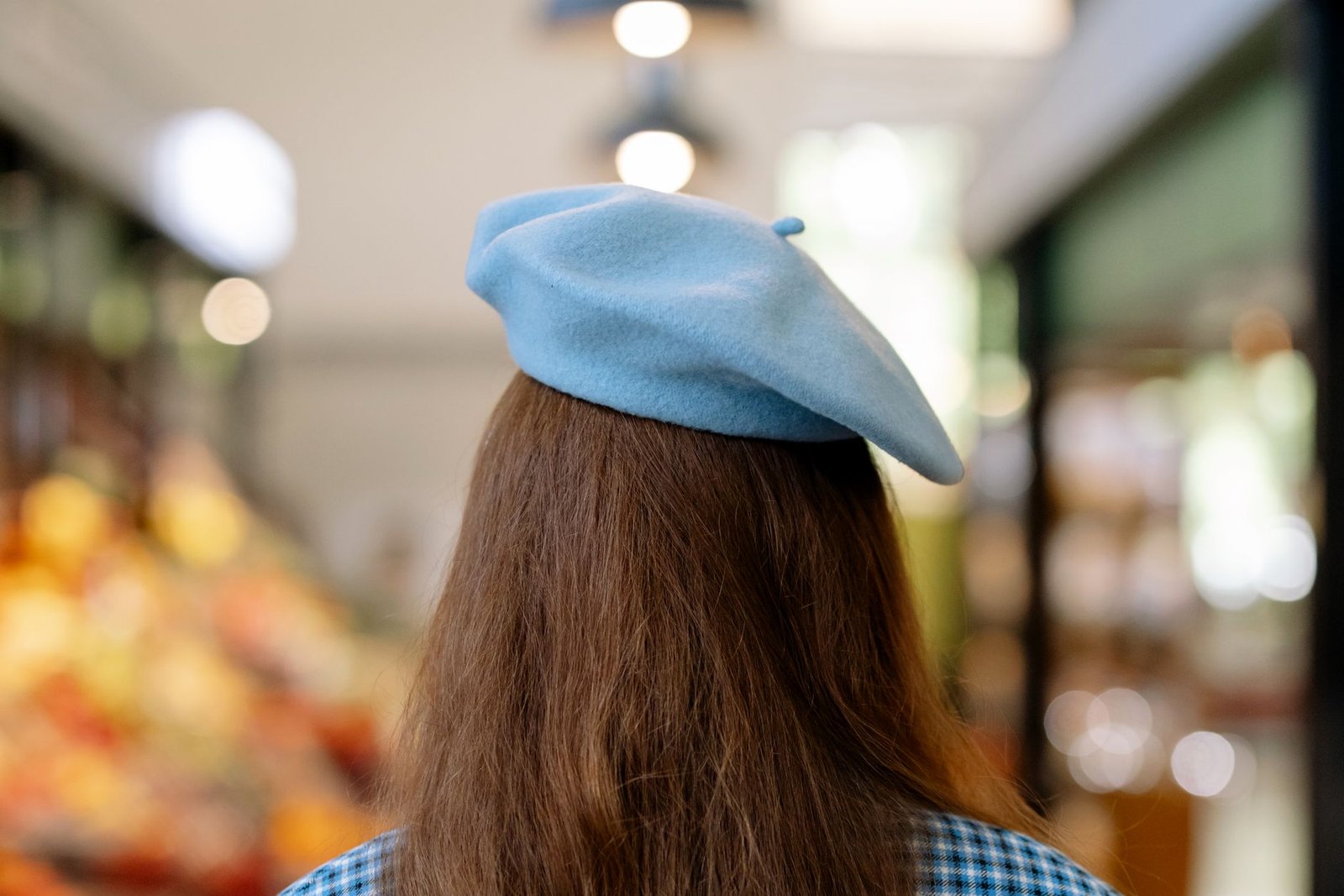
A brightly coloured beret — red, cobalt blue, mustard, or forest green — worn with an otherwise neutral, tonal, or understated outfit: all-black, grey and cream, or all-navy. The coloured beret functions as the outfit’s single accent piece — the colour introducing visual interest and personality into what would otherwise be a minimal, quiet outfit. This is the most effective approach for wearing a bold-coloured beret: one statement colour, one neutral backdrop, with the beret’s placement (tilted, side-positioned) doing the rest.
Streetwear Beret
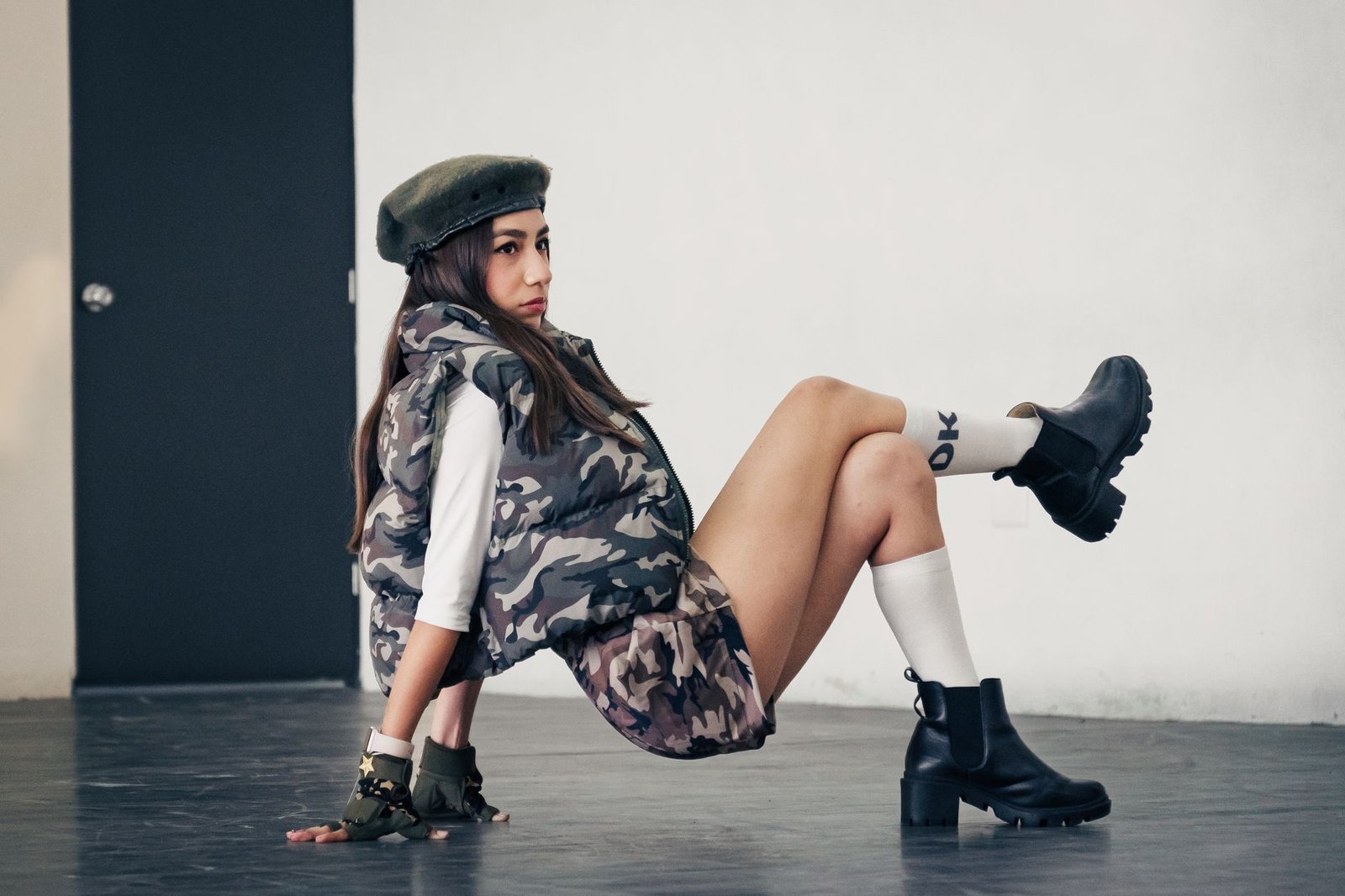
A soft knit or leather beret worn pulled down and slightly back over loosely styled hair, with an oversized graphic tee or sweatshirt, wide-leg or straight-leg jeans, and chunky trainers or boots. The beret in a streetwear context works as a fashion-aware alternative to the baseball cap — it provides the same hat-as-styling-element function but with a different aesthetic register. The leather beret is particularly effective here: its material provides edge that bridges the gap between the beret’s traditional character and streetwear’s contemporary sensibility.
The graphic tee is the beret’s most natural streetwear companion: graphic tee outfit ideas for casual and smart-casual dressing consistently emphasise the role of a considered accessory — and the leather or knit beret serves that function precisely, adding the kind of deliberate, fashion-aware touch that elevates an otherwise simple graphic tee outfit.
Soft Girl Beret
A pastel or cream beret worn with a floral or soft-print midi skirt or dress, a fitted top, and ballet flats or Mary janes. The beret in a soft girl or romantic context is worn in lighter tones (cream, blush, lavender) and positioned more centrally or slightly tilted, with the outfit’s overall character gentle and feminine rather than sharp and intellectual. With hair worn down or in a soft half-up style that allows the beret to be positioned visibly on the crown.
The soft girl or feminine beret outfit pairs naturally with the loafer: loafer styling combinations for smart-casual outfits — particularly platform loafers in a feminine context — work alongside a pastel or cream beret to create a coherent Parisian-meets-contemporary aesthetic. The loafer’s classic construction reinforces the beret’s French heritage rather than contradicting it.
For a Y2K or fashion-forward beret outfit, platform shoe styling formulas — chunky platform trainers, platform Mary Janes, or platform boots — pair with the beret’s statement-making character to create an outfit with clear visual intention. The combination of a statement hat and a statement shoe works when the garments between them are kept deliberately simple.
Autumn Beret Outfit

A warm-toned wool beret — camel, rust, or mustard — worn with a quality knitwear piece in a complementary or tonal autumn colour, wide-leg or tailored trousers in a rich autumn tone, and ankle boots. The beret’s wool construction and warm colour tones make it naturally appropriate for autumn dressing: it provides genuine warmth while its fashion-aware construction means it reads as a styling choice rather than a purely functional cold-weather hat. With a long structured coat for outdoor wear.
If the beret’s intentional, fashion-aware character appeals but its aesthetic is too structured for a given outfit, bucket hat styling and outfit formulas offer a more relaxed alternative within the same hat-as-accessory styling logic — particularly for streetwear and casual contexts where the bucket hat’s pop-culture history makes it a natural choice.
How to Wear a Beret
Placement Approaches
The beret’s most important styling variable is its placement on the head. Worn tilted at approximately 30–45 degrees to one side, sitting on the crown and above the ear, reads as deliberately stylish.
Pulled down over one ear reads as casual and street-style-adjacent. Worn towards the front of the head, slightly tilted, reads as more traditionally Parisian-influenced.
Experimenting with placement — either in the mirror or using photos — is the fastest way to identify which positioning suits your face shape and preferred outfit characters best.
For further styling inspiration on wearing the beret without falling into cliché, Who What Wear’s guide to wearing a beret like a French girl features advice from Parisian women on how to integrate the beret into contemporary outfits — including the key placement and colour choices that make it read as genuine personal style rather than costume.
Frequently Asked Questions
Are berets in style for 2026?
Yes — berets have maintained consistent fashion relevance through their presence across multiple aesthetics that remain strong in 2026: dark academia, Parisian chic, soft girl, and street style. The beret’s appeal is its expressive quality — it communicates a specific fashion sensibility in a way that few other hat styles can. Its availability across materials (wool, knit, leather) and colours makes it adaptable to a wide range of outfit directions.
How do you wear a beret without looking costumey?
The key to wearing a beret as a genuine fashion accessory rather than a costume piece: tilt it — a flat, centred beret reads as theatre; a tilted beret reads as style. Integrate it into an outfit where it makes proportional and colour sense — it shouldn’t be the only interesting thing happening in the outfit, but rather one considered element alongside quality basics. Wearing it with contemporary basics (quality knitwear, tailored trousers, clean trainers) rather than purely historical references prevents the costume association.