
Gradient Bedroom Aesthetic: How to Design a Room Around Color Flow
What Is the Gradient Bedroom Aesthetic?
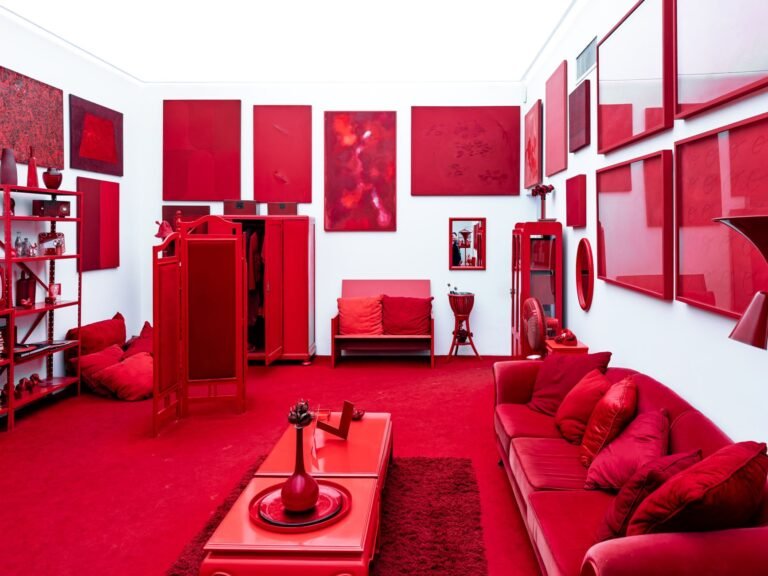
The gradient bedroom aesthetic applies the principles of colour-fade and smooth colour transition — familiar from gradient fashion and digital art — to interior design. Instead of a single flat wall colour and coordinating furniture, a gradient bedroom creates a visual environment where colours move and shift: walls that transition from one hue to another, bedding in ombre palettes, lighting that shifts across the colour spectrum, and art and objects chosen for their contribution to a room-wide colour flow.
The aesthetic draws from the same visual culture as gradient fashion — digital art, social media aesthetics, the sunset and pastel colour palettes that dominate contemporary visual culture online. But translating those palettes from clothing to a room requires understanding how colour behaves at architectural scale and how furniture, lighting, and textiles interact with colour differently than garments do.
The gradient aesthetic that works in a bedroom environment is the same visual language as gradient fashion outfits — both use smooth colour transitions, warm-to-cool palette progressions, and colour coordination as the primary design tool, scaled to different surfaces.
Choosing the Gradient Palette for Your Bedroom
The colour palette is the foundational decision for a gradient bedroom. All other choices follow from it. The most popular gradient bedroom palettes:
Refinery29’s guide to bedroom colour choices and sleep quality covers how different palettes affect mood and atmosphere — directly relevant to choosing between an energising sunset gradient and a restful pastel or ocean palette for a bedroom environment.
- Sunset gradient — orange, coral, pink, magenta, purple. Warm and energetic, reads as vibrant and expressive. Best for bedrooms where the energy is social and stimulating rather than restful.
- Pastel gradient — lavender to blush, mint to pale yellow, sky blue to white. Soft and calming, reads as dreamlike and serene. The most popular gradient bedroom choice for its balance of visual interest and restful atmosphere.
- Ocean gradient — deep teal to aqua to light blue to white. Cool, calm, and immersive. Creates a room that feels like being underwater in a positive sense — visually expansive and deeply restful.
- Monochromatic gradient — a single colour from dark to light across the walls and furnishings. The most sophisticated and architectural approach. Works in any single hue from deep navy to soft sage.
Gradient Walls: Painting Techniques
The wall is the most impactful element in a gradient bedroom and the decision that requires the most commitment. Two main approaches:
Ombre Wall Paint
An ombre wall transitions from one colour to another — typically from a darker tone at the base to a lighter tone at the top, or from a saturated colour at one side of the wall to white or a complementary colour at the other. Achieving a smooth ombre wall requires working in wet-on-wet technique: painting horizontal bands of each colour and blending the boundaries while both bands are still wet. The result is a soft, handmade gradient that suits pastel and sunset palettes particularly well.
Practical considerations: ombre walls are permanent decisions that are difficult to change without repainting entirely. Use sample pots extensively before committing, and consider having the gradient confined to a single feature wall rather than the whole room.
Colour-Blocking as Gradient Reference
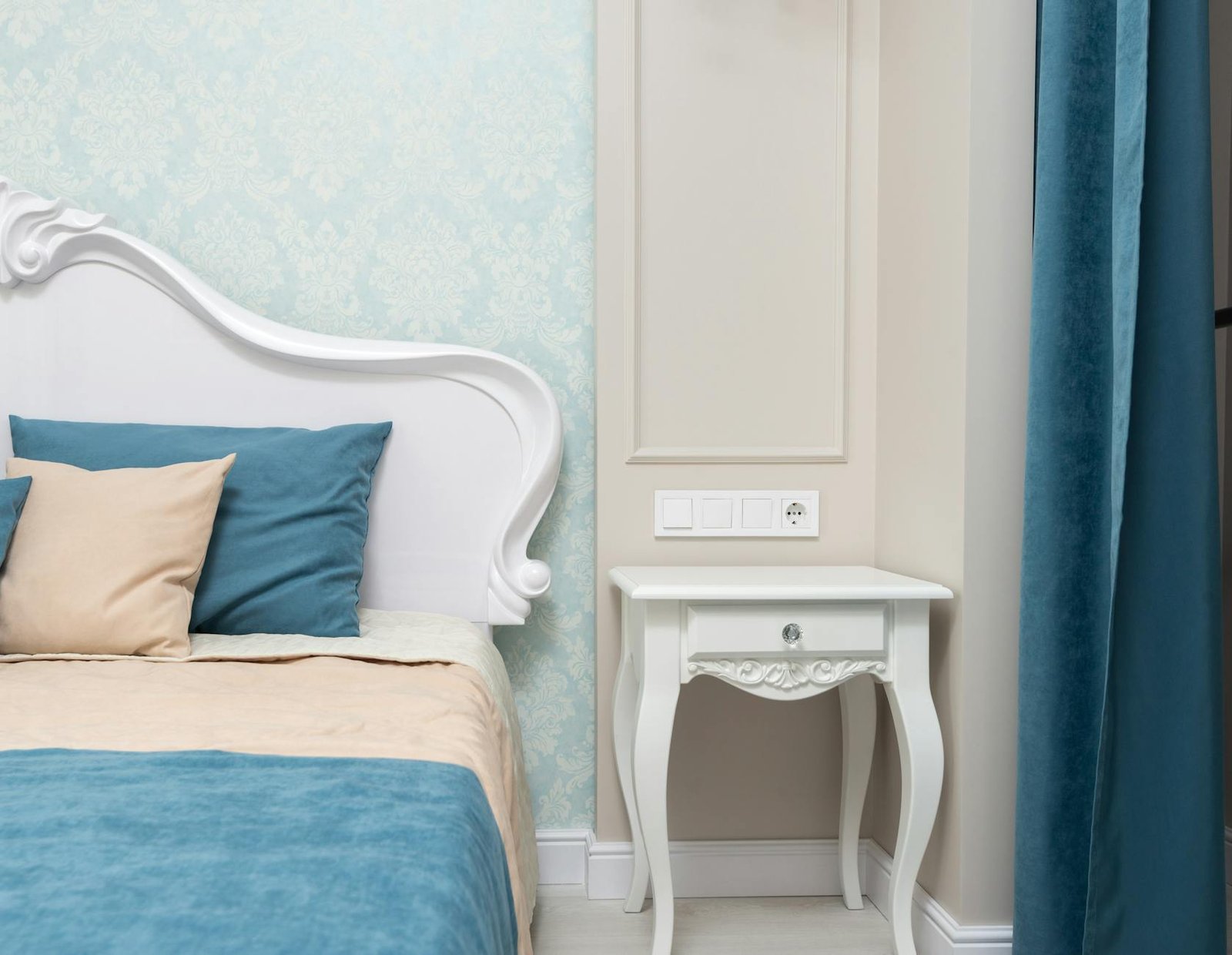
An alternative to a true painted gradient: paint walls in distinct colour bands that progress through the palette in steps rather than a continuous fade. A room where one wall is deep teal, two side walls are medium blue, and the fourth is pale aqua creates a gradient effect through the colour stepping even without a blended transition. This approach is simpler to execute and easier to change than a true ombre wall.
Gradient Bedding and Textiles
Bedding is where gradient palette choices are most immediately achievable and most easily changed — a gradient duvet cover or ombre bedspread can transform the feel of a room without permanent commitment.
Key textile choices for a gradient bedroom:
- Gradient duvet cover — available in sunset, pastel, and ocean palettes from a range of homeware brands. The large surface area of the bed is the strongest opportunity for gradient impact in a bedroom.
- Ombre or tie-dye cushions — layering cushions in gradient tones from the same palette, arranged from darkest to lightest across the bed, creates a tonal gradient effect without a specifically ombre piece.
- Gradient curtains or sheers — light-filtering curtains in pastel gradient or ombre transitions soften the light coming into the room and carry the palette to the windows where natural light interacts with the colour.
- Gradient rugs — an ombre or gradient rug anchors the colour palette at floor level. Flat-weave or pile rugs are both available in gradient colourways from contemporary homeware brands.
Gradient Lighting
Lighting is the most powerful and most flexible tool for creating a gradient atmosphere in a bedroom. Smart LED lighting systems allow rooms to be filled with any colour and transitioned through gradients in real time — from a warm sunset palette at dusk to a cool ocean palette for sleeping, or a soft pastel ambient throughout the day.
Specific gradient lighting approaches:
- LED strip lighting — positioned behind a headboard, under a bed frame, along ceiling coving, or behind shelving, LED strips can be set to gradient colour profiles that illuminate the room with soft ambient colour
- Smart colour bulbs — multiple smart bulbs in the same room set to different points in a gradient palette create a spatial gradient effect where the colour temperature varies across the room
- Neon signs or light art — gradient neon or LED art pieces function as both lighting and visual art objects, contributing the gradient palette while providing a source of warm ambient light
- Fairy lights or string lights — in gradient or ombre colour sequences, fairy lights add a diffuse and romantic ambient light quality that suits the dreamlike quality of gradient bedroom aesthetics
Art and Objects in a Gradient Bedroom
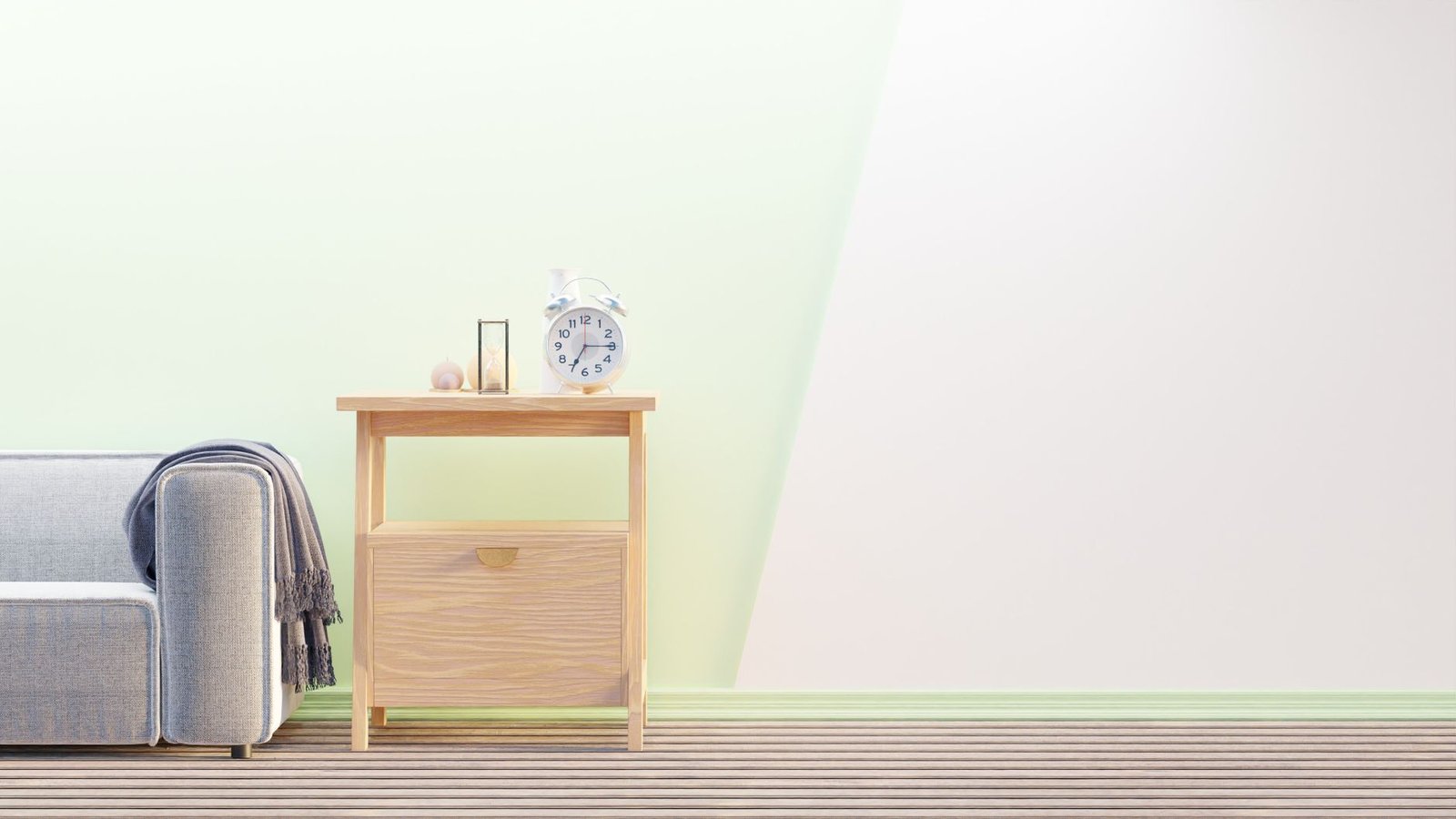
The art and decorative objects in a gradient bedroom should contribute to the colour story rather than disrupt it. Approaches that work:
- Gradient prints and posters — abstract art prints in the room’s palette, or photographic prints of sunsets and skies that carry the gradient palette naturally
- Colour-coordinated books — books arranged spine-out in a colour gradient on shelves create an inexpensive and surprisingly effective gradient accent
- Plants with gradient-adjacent foliage — plants with leaves that transition from green to yellow, red, or purple complement warm-palette gradient bedrooms naturally
- Gradient ceramics and vessels — dipped glaze ceramics and ombre-finished plant pots bring the gradient palette to three-dimensional objects on shelves and surfaces
Budget Gradient Bedroom Ideas
A full gradient bedroom — painted walls, matching bedding, smart lighting — represents significant investment. Lower-budget approaches that still achieve the aesthetic:
- Start with a gradient duvet cover as the room’s palette anchor and build everything else around it without repainting
- Use smart LED strip lighting (relatively affordable) to create the gradient atmosphere through light rather than paint
- Layer neutral furniture and walls with gradient textiles (cushions, throws, rugs) for an achievable and reversible aesthetic shift
- Use gradient art prints as the palette-setting element against white or neutral walls
Frequently Asked Questions
What is a gradient bedroom aesthetic?
A gradient bedroom aesthetic is an interior design approach that uses colour-fade and colour transition principles — familiar from gradient fashion and digital art — to create a bedroom where colours move and shift across walls, bedding, lighting, and objects. The result is a visual environment built around colour flow rather than flat single-colour surfaces.
How do you create an ombre wall in a bedroom?
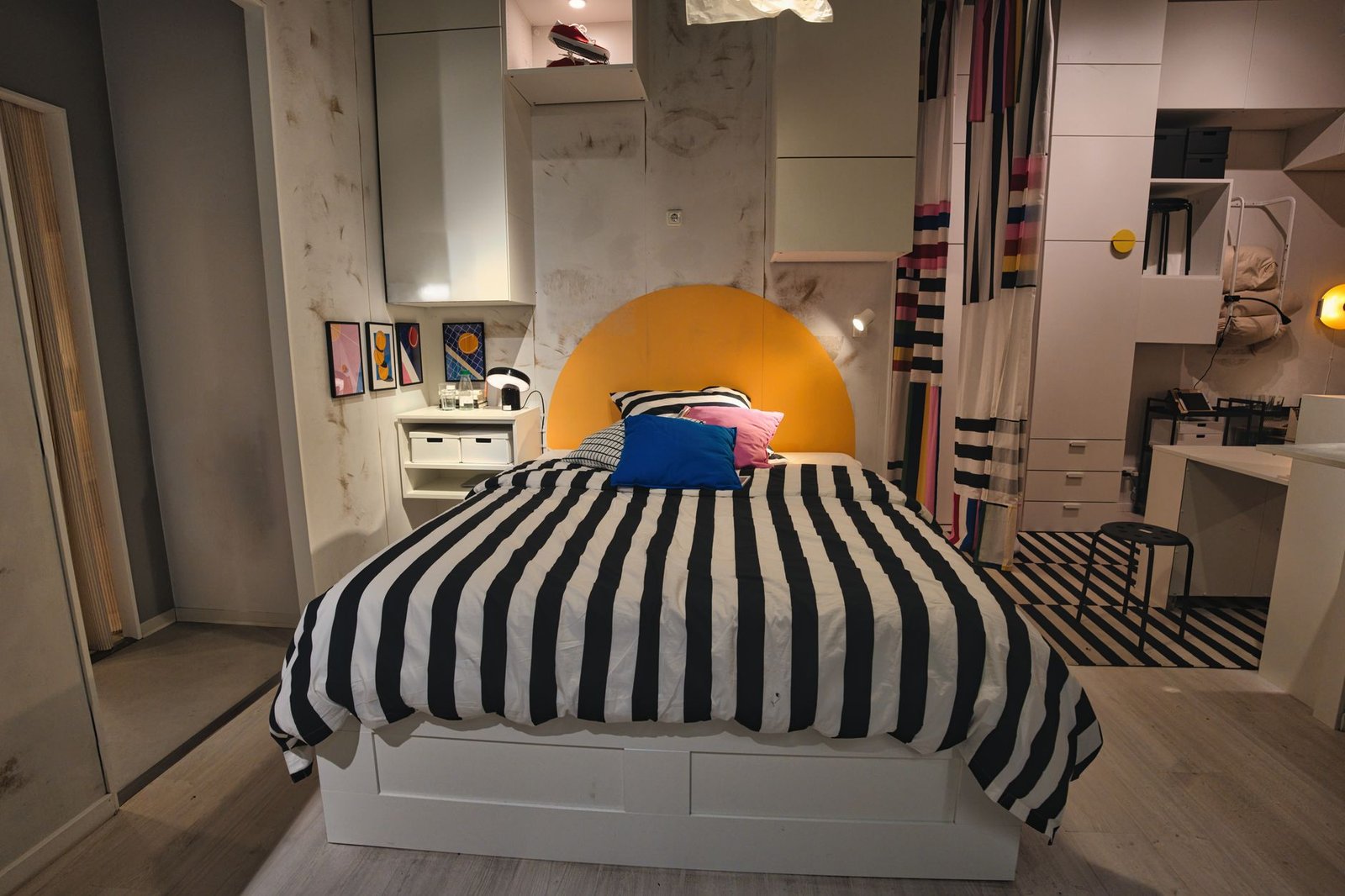
An ombre wall is created by painting horizontal bands of adjacent colours and blending the boundaries while the paint is still wet, using a clean brush or sponge to feather the transition. Working quickly in small sections with wet-on-wet technique creates the smoothest gradient. Using sample pots to test the palette on a small area before committing to the full wall is strongly recommended.
What are the best colours for a gradient bedroom?
Pastel gradient palettes — lavender to blush, mint to pale blue, or peach to cream — are the most restful and widely loved choices for bedrooms because they provide visual interest without the stimulating energy of vivid sunset or ocean palettes. For an energising, expressive bedroom, sunset gradients in orange, pink, and purple create a more vibrant atmosphere. Monochromatic gradients in any single colour are the most architectural and sophisticated approach.