Aesthetic Outfit Ideas: 20 Looks Built Around a Clear Visual Identity
What Makes an Outfit Aesthetic?
In contemporary fashion language, an “aesthetic” outfit is one built around a coherent visual identity — a consistent set of references, colour palettes, silhouettes, and cultural codes that give the look a specific world rather than a collection of individual pieces. Every element of an aesthetic outfit belongs to the same visual framework, which is what creates the sense that the look is intentional and considered rather than assembled from whatever was available.
The concept of building around an aesthetic is actually a very old styling principle described in new vocabulary. What people have always called “having a signature look” or “dressing with a point of view” is the same thing as building outfits around a consistent aesthetic. The difference today is that these visual frameworks have been named, shared, and developed through social media, giving people a vocabulary for describing what they are building toward and a community of others developing the same visual world.
Refinery29’s breakdown of how fashion aesthetics spread across social media traces how named visual identities like cottagecore, goblincore, and softcore gave people a shared vocabulary for describing personal style and building community around it.
The Most Influential Fashion Aesthetics in 2026
Gradient and Sunset Aesthetic
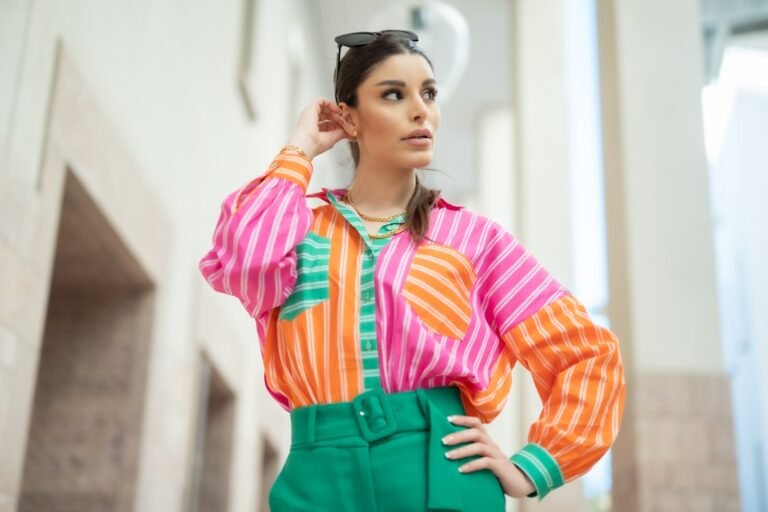
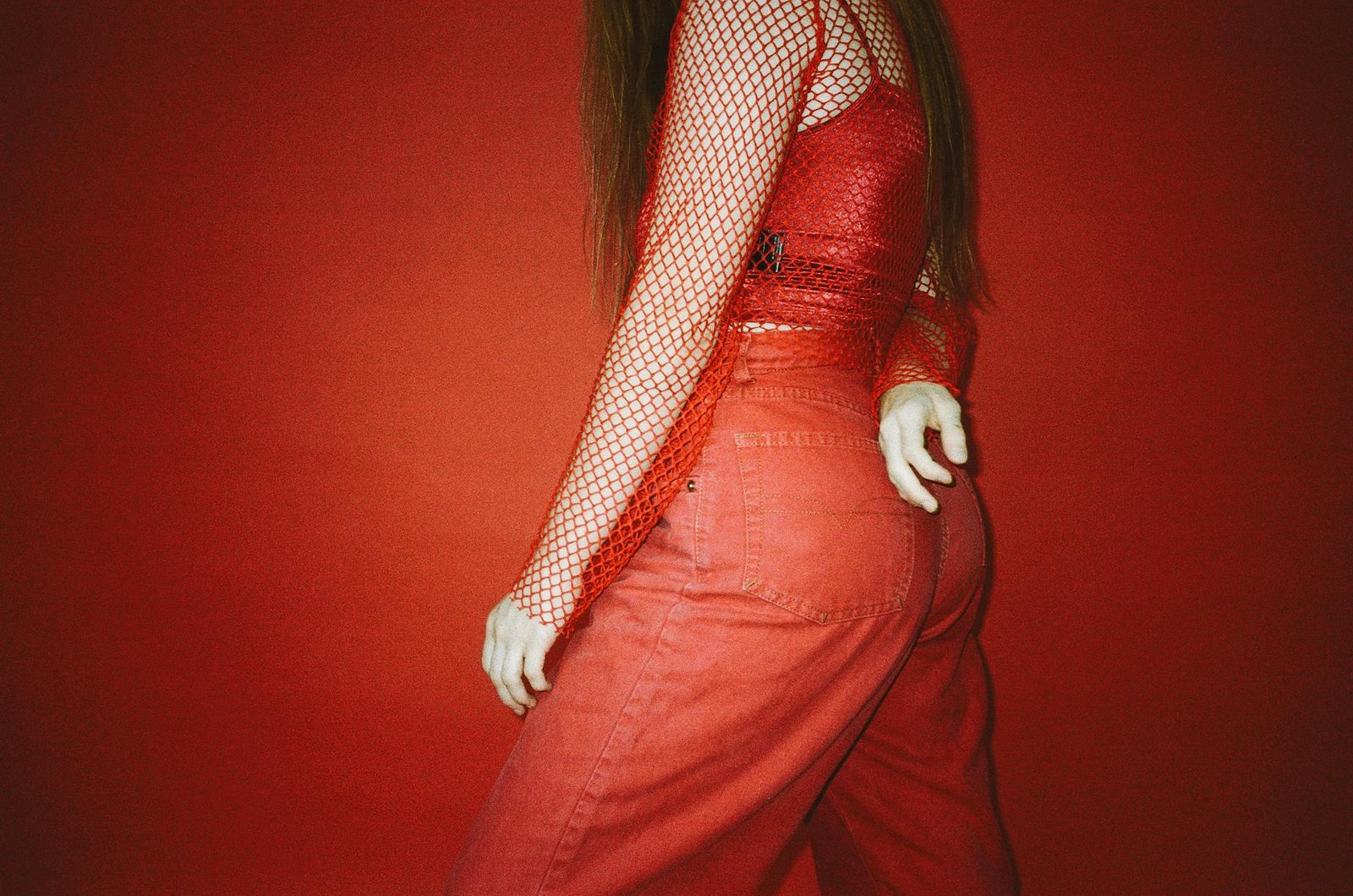
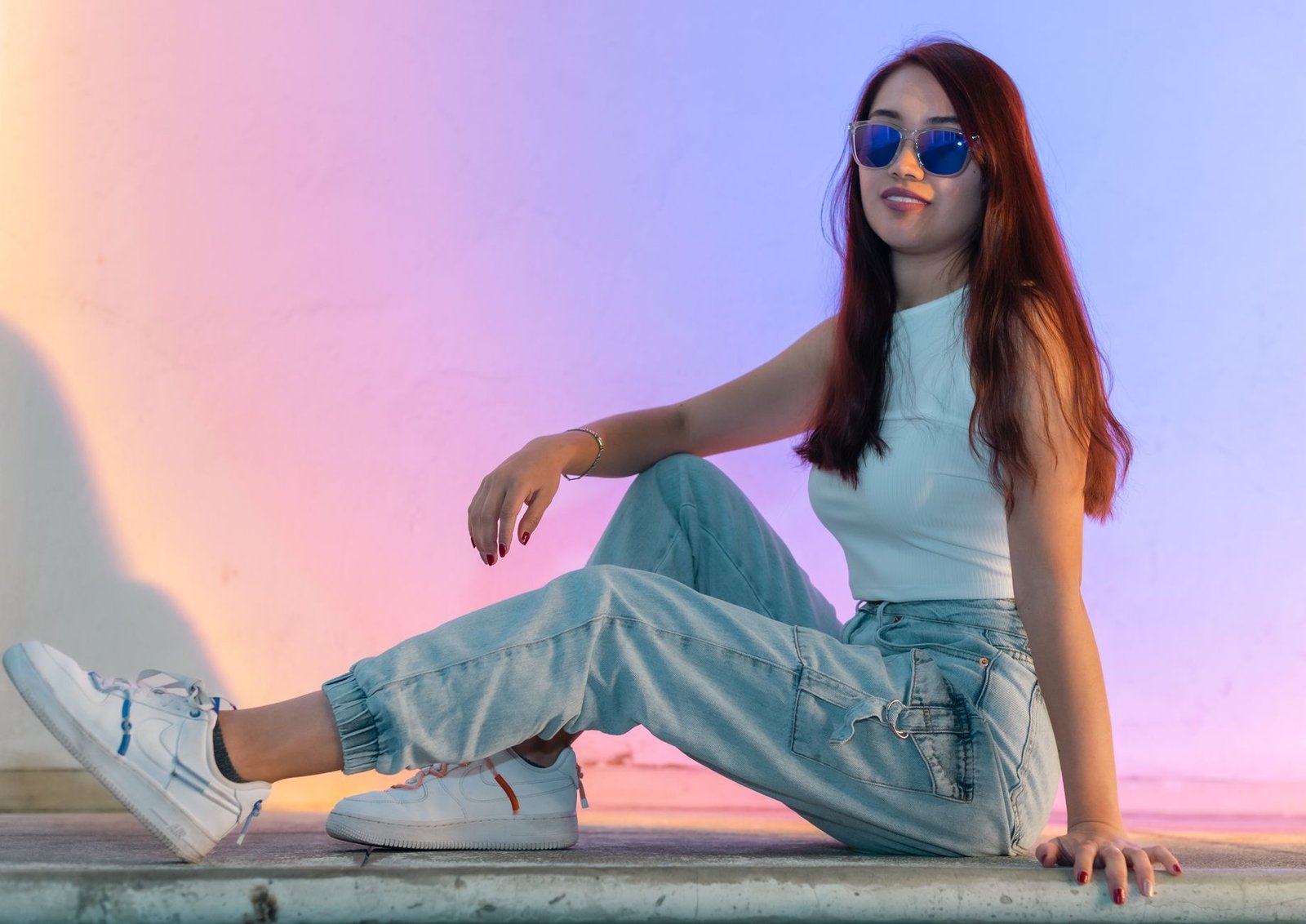
Built around smooth colour transitions — orange to pink to purple, or any combination of warm-to-cool — the gradient aesthetic uses colour movement as the primary visual identity. Gradient pieces as focal points, neutral basics as foundation, and colour coordination across all elements of the outfit. The aesthetic draws from digital art culture, where gradient fills defined the visual world of the late 2010s, and has moved from screen to wardrobe as the colour-fade trend matured into a stable fashion language.
Key pieces: gradient hoodies, gradient co-ords, gradient tees, colour-fade sneakers
Colour palette: sunset (orange, pink, purple), ocean (blue, teal, mint), pastel gradient
Streetwear Core
The foundational streetwear aesthetic — heavyweight hoodies, graphic tees, straight-leg or baggy denim, clean trainers — built around subculture references from skateboarding, hip-hop, and basketball culture. Less trend-driven than many named aesthetics, streetwear core is more a lifestyle orientation than a seasonal look: the visual language is consistent across years because it is rooted in cultures with their own continuity rather than fashion cycles.
Key pieces: heavyweight hoodie, graphic tee, straight-leg denim, clean trainers
Colour palette: neutral base with bold graphic accent, or monochromatic in neutral tones
Cottagecore-Adjacent
A pastoral, nature-influenced aesthetic that uses soft fabrics, organic textures, floral and botanical references, and earthy colour palettes to create a visual world that reads as rural, handmade, and timelessly domestic. The fashion version draws from vintage country clothing, European folk dress, and early 20th century domestic imagery.
Key pieces: linen shirts, floral midi skirts, knitted waistcoats, Mary Jane shoes, wide-brim hats
Colour palette: cream, moss green, dusty rose, warm brown, sage
Dark Academia

Inspired by the visual world of elite educational institutions, literary culture, and pre-war European intellectual life. Tailored but slightly rumpled; bookish and serious in reference but deliberately styled. The dark academia aesthetic uses deep, autumnal colours and heritage fabrics to create outfits that look like they belong in a wood-panelled library.
Key pieces: tweed blazer, Oxford shirt, pleated trousers, loafers or Derby shoes, turtleneck
Colour palette: charcoal, camel, burgundy, forest green, cream, dark brown
Soft Minimal
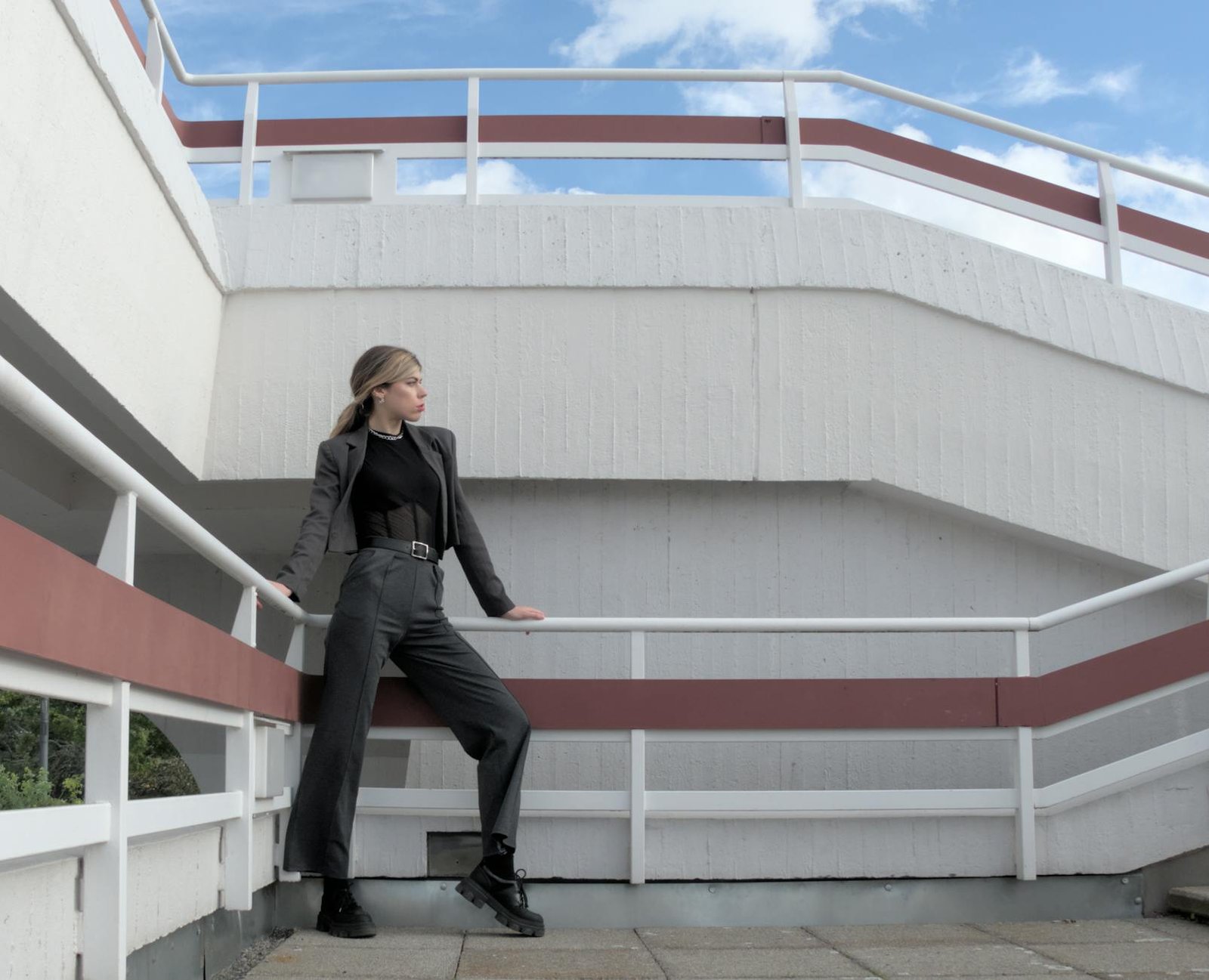
Quiet, understated dressing built around clean silhouettes, premium-feeling basics, and a palette of soft neutrals. Soft minimal is not cold or stark — it has warmth in its fabrics and a slightly relaxed quality in its fits. The aesthetic prioritises quality over statement, texture over print, and fit over branding.
Key pieces: oversized cashmere or quality knitwear, wide-leg tailored trousers, minimal sneakers or loafers, high-quality plain tees
Colour palette: cream, greige, warm white, pale grey, soft camel
Y2K Revival
The early 2000s aesthetic brought back with contemporary proportions — fitted tops with low-rise or high-rise options, cargo details, metallic and shiny fabrics, bold brand references, and platform footwear. Y2K revival draws from a specific cultural nostalgia for the visual world of the late 1990s and early 2000s, filtered through current design sensibility.
Key pieces: butterfly tops, cargo trousers, metallic or iridescent outerwear, platform shoes, small shoulder bags
Colour palette: hot pink, electric blue, silver, lime green, purple, vivid primary colours
Gorpcore
Functional outdoor clothing worn in urban contexts — technical fabrics, trail shoes, utility vests, and hiking references as everyday streetwear. Gorpcore treats performance functionality as a visual aesthetic: Gore-Tex, Pertex, fleece, and technical webbing are the fabric vocabulary; muted, nature-adjacent colours are the palette.
Key pieces: fleece jacket or gilet, trail runners, cargo shorts, technical shirt, puffer
Colour palette: khaki, stone, slate blue, forest, black, safety orange as accent
Avant-Garde / Experimental
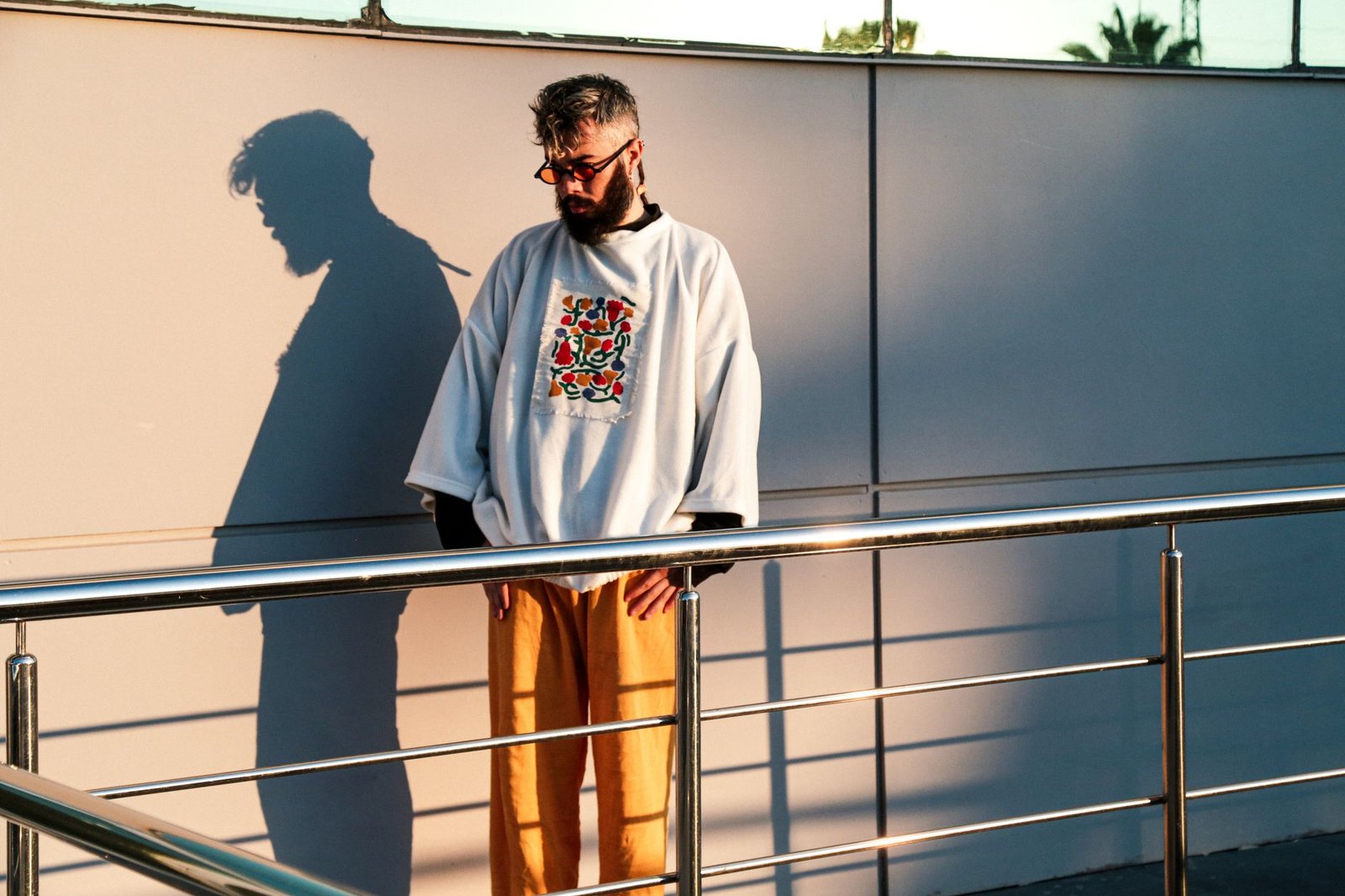
Clothing as conceptual practice — deconstructed garments, unexpected silhouettes, non-traditional fabric applications, and an explicit rejection of conventional dress codes. The avant-garde aesthetic treats the outfit as a statement of artistic intent rather than an exercise in style coordination.
Key pieces: structured or deconstructed outerwear, oversized tailoring, unusual layering, conceptual footwear
Colour palette: monochromatic (particularly all-black), or specific palette choices with deliberate conceptual meaning
Building an Aesthetic Outfit: The Process
- Identify the aesthetic — choose a clear visual reference world. The more specific the aesthetic, the more coherent the outfits.
- Define the palette — every aesthetic has a colour vocabulary. Working within that vocabulary consistently is what makes multiple outfits feel like they belong to the same world.
- Identify the key silhouettes — aesthetics are defined by specific shapes (fitted waist, oversized shoulder, tapered leg, wide leg). Staying within those shapes creates visual continuity.
- Choose the right textures and fabrics — dark academia requires wool and tweed; gorpcore requires technical nylon; soft minimal requires quality cotton and cashmere. The fabric is as much part of the aesthetic as the colour or silhouette.
- Edit to coherence — remove any piece in the outfit that does not belong to the aesthetic world. One wrong reference undermines the consistency of everything else.
Mixing Aesthetics
The most interesting dressing in 2026 often sits at the intersection of two aesthetics — gorpcore and dark academia share earthy palettes; gradient aesthetic and Y2K share high-saturation colour ambition; streetwear core and soft minimal share a commitment to quality basics over trend pieces.
Aesthetic mixing works when the intersection is specific and the palette is controlled. Random mixing of aesthetic elements produces looks that read as confused rather than eclectic. Intentional aesthetic fusion — identifying where two visual worlds share DNA and building from that shared territory — produces something genuinely original.
Frequently Asked Questions
What does aesthetic mean in fashion?
In fashion, aesthetic refers to a coherent visual identity built around a consistent set of colour palettes, silhouettes, fabric choices, and cultural references. An aesthetic outfit is one where every element belongs to the same visual world, creating a look that reads as intentional and considered rather than randomly assembled.
What are the most popular fashion aesthetics in 2026?
The most active fashion aesthetics in 2026 include the gradient and sunset aesthetic, streetwear core, soft minimal, dark academia, gorpcore, and the Y2K revival. Each represents a different approach to building a consistent visual identity through clothing, with distinct colour palettes, silhouettes, and cultural reference points.
How do I find my own fashion aesthetic?
Look at the clothing you actually wear most and enjoy most — not what you aspire to wear, but what you consistently reach for. The colours, shapes, and cultural references that already dominate your wardrobe are the raw material for your aesthetic. Named aesthetics are useful as vocabulary and community, but the most coherent personal aesthetic is the one that reflects genuine preference rather than trend adoption.