Ombre Outfit Ideas: 16 Ways to Wear Color-Fade Fashion in 2026
What Is Ombre in Fashion?
Ombre — from the French word for “shaded” — describes a colour transition where one hue gradually fades into another. In fashion, ombre refers to garments where the fabric itself changes colour across its surface: darker at one end, lighter at the other, or transitioning between two distinct hues. Ombre and gradient are closely related terms, with ombre more commonly used in the context of hair and fabric dyeing, while gradient is more associated with digital and print applications.
Ombre has been present in fashion for centuries — it appears in historical silk weaving, traditional Japanese indigo dyeing, and hand-tinted couture fabrics. In contemporary clothing, ombre effects are achieved through dip-dyeing, space-dyeing, warp printing, and digital textile printing, giving designers and independent brands a range of technical options for creating colour-fade garments with different visual qualities.
Types of Ombre in Clothing
- Dip-dye ombre — fabric dipped progressively into dye baths, creating a natural fade with an organic, slightly imprecise quality. The most artisanal and hand-made-looking ombre effect.
- Warp-dyed ombre — yarn dyed before weaving, creating ombre within the fabric structure itself. Produces a softer, more integrated fade that becomes part of the textile rather than a surface treatment.
- Digital print ombre — colour-fade reproduced via digital textile printing, achieving precise gradient effects impossible with dyeing alone. Most common in fashion-forward garments and performance wear.
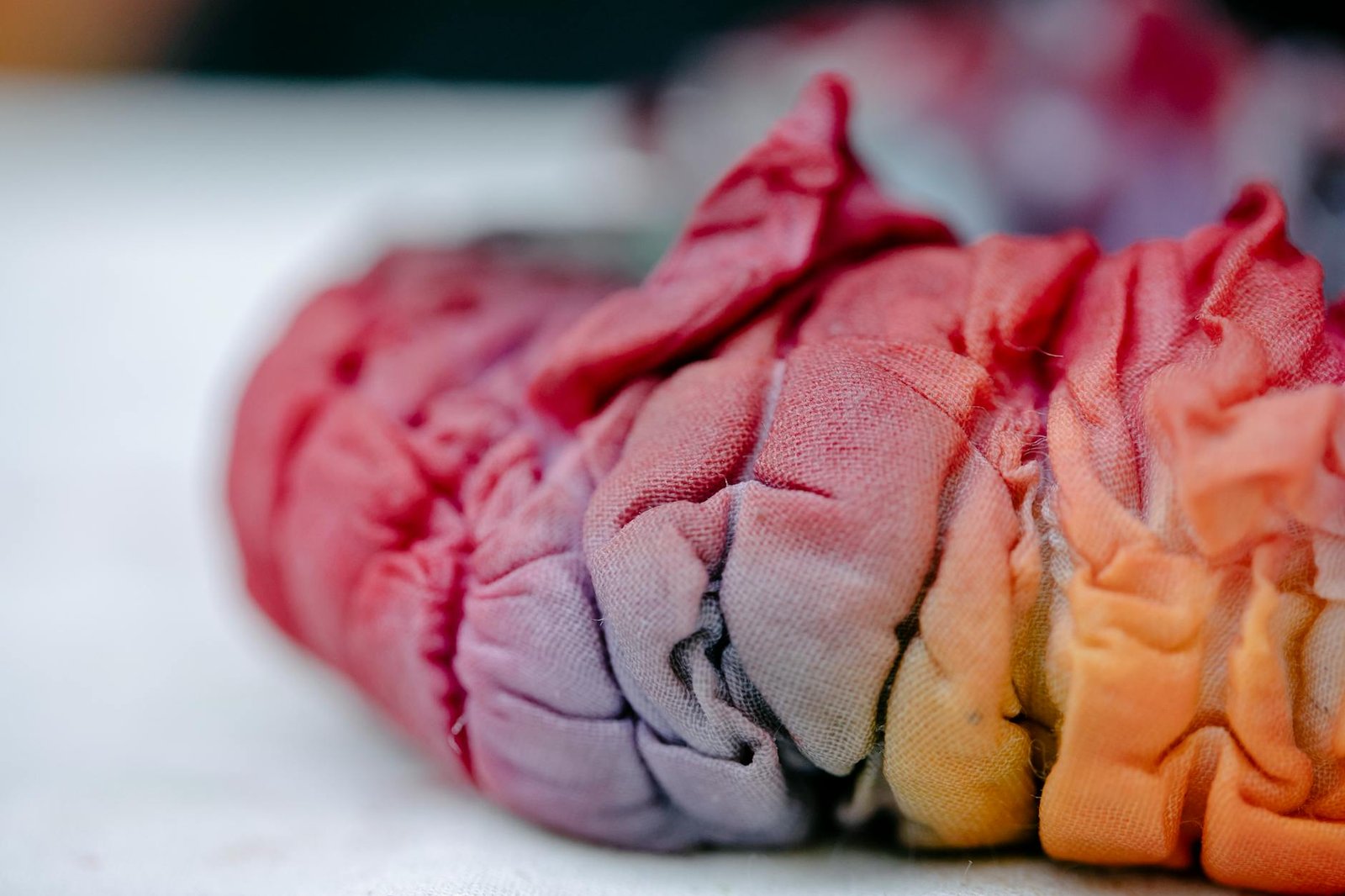
- Tie-dye ombre — controlled tie-dye techniques that produce directional fades rather than pattern marks. More organic and movement-led than flat ombre dyeing.
16 Ombre Outfit Ideas
1. Ombre Hoodie and Black Joggers
The most direct ombre outfit formula. A sunset or vivid ombre hoodie — colour transitioning from shoulder to hem — with plain black joggers and white low-top trainers. The ombre does all the colour work; the black and white base and foot let it read at full impact.
2. Ombre Denim and White Tee
Light-wash ombre jeans — dark indigo at the waist fading to near-white at the cuff — with a plain white tee and white court shoes. The denim-specific ombre is one of the most subtle and wearable ombre options because it references the natural wash variation of vintage denim rather than a deliberate fashion print.
3. Ombre Maxi Dress
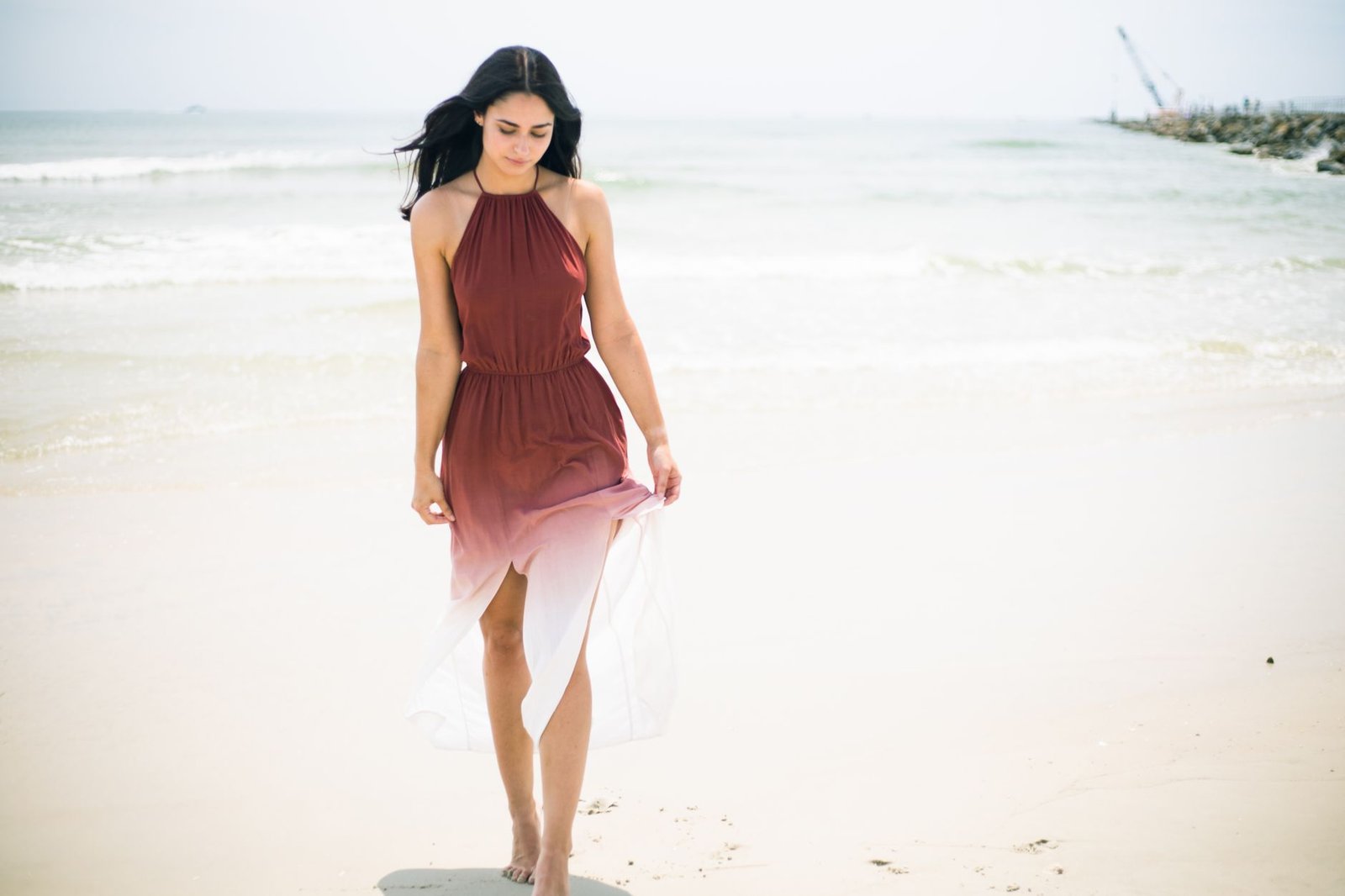
A flowing ombre maxi dress where the colour transition runs top-to-hem — lighter at the top, deepening toward the floor, or vice versa. The movement of the fabric in a maxi silhouette animates the ombre effect with every step. Neutral sandals or slides in a tone pulled from the lighter end of the gradient.
4. Ombre Knit Sweater and Straight-Leg Jeans
A chunky knit sweater with an ombre colour fade through the knit structure. The combination of visible knit texture and colour transition creates a complex, artisanal-looking piece. With straight-leg light denim and white trainers or ankle boots.
5. Ombre Co-ord Set
A matching ombre set — top and bottoms in the same colour-fade palette. The matching set logic applies: the co-ord reads as a designed ensemble.
The ombre running through both pieces creates continuity from shoulder to ankle. Clean white footwear to anchor without competing.
6. Ombre Trousers and Plain Tee
Wide-leg or straight ombre trousers — colour fading from waistband to hem — with a plain tee or simple top in a colour pulled from the lighter end of the ombre. The tee picks up one tone of the trouser’s ombre without introducing a new colour into the palette.
7. Ombre Bomber Jacket Over All-Neutral Outfit
An ombre bomber or coach jacket worn over a completely neutral base — white tee, grey trousers, white shoes. The ombre jacket is the only colour element in the outfit. This is the maximal-impact, minimal-effort approach to ombre dressing: one statement outer layer over an invisible base.
8. Ombre Satin for Evening
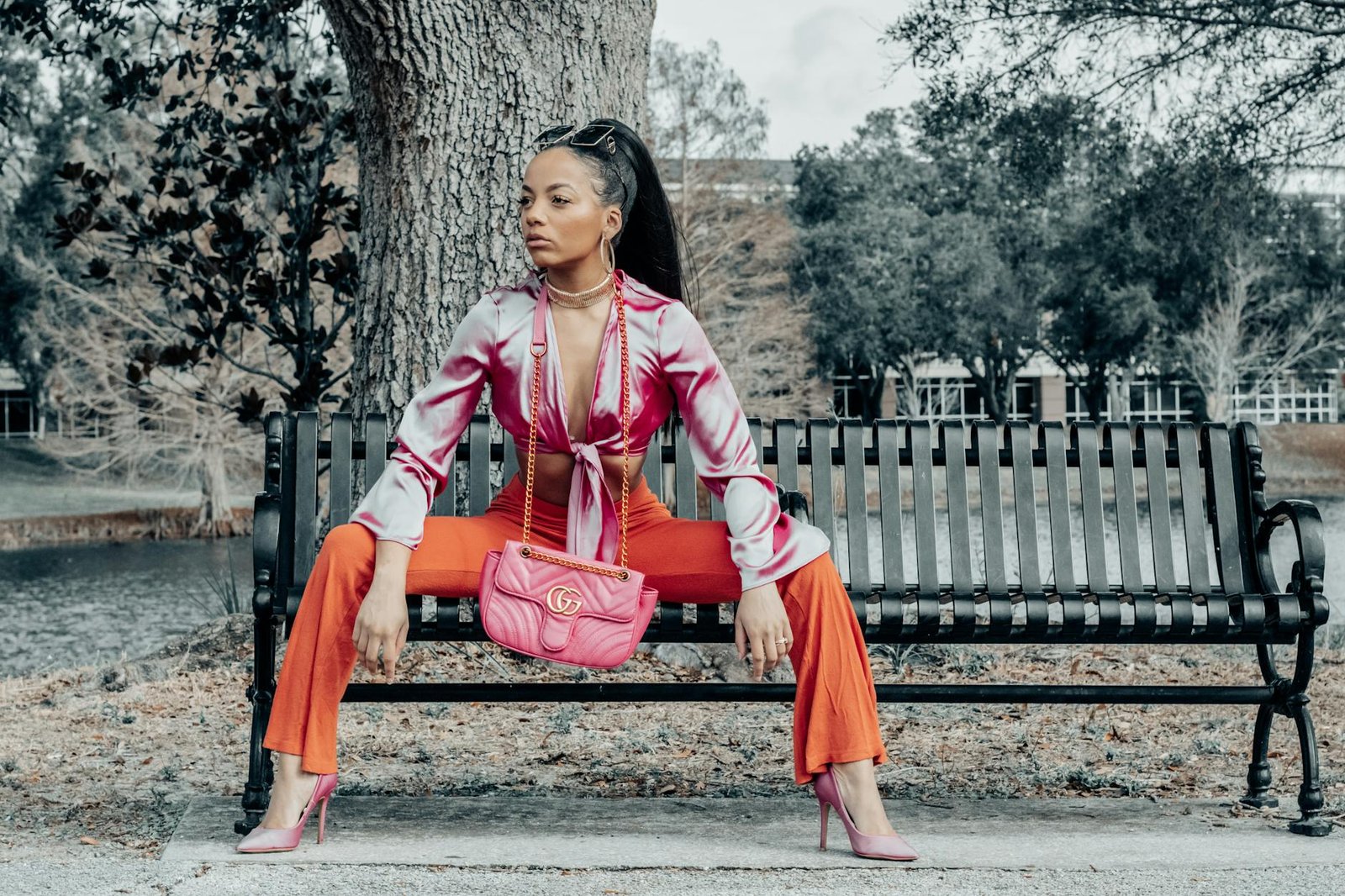
Ombre in satin or silk-effect fabric shifts the aesthetic entirely — from casual to occasion dressing. An ombre satin slip dress or ombre satin blouse over dark tailored trousers. The sheen of the fabric enhances the colour transition visually, creating more dramatic ombre effects than matte fabrics allow.
9. Ombre Hair with Neutral Outfit
When the ombre is in the hair rather than the clothing — a classic ombre or balayage hair colour with a completely neutral outfit (all white, all grey, or all cream). The hair carries the ombre; the clothing provides a clean background for it to read against. This is the most understated and wearable take on ombre dressing.
10. Ombre T-Shirt Dress and Chunky Trainers
An oversized ombre tee worn as a dress — hem at mid-thigh — with chunky platform trainers or slides. Belted at the waist for definition, or worn loose for a more relaxed silhouette. The ombre runs the full visible length of the dress from shoulder to hem.
11. Pastel Ombre Knitwear Set
A matching ombre set in pastel tones — lavender-to-blush knitwear top and cardigan, or mint-to-white knit top and bottoms. The pastel ombre reads as softer and more refined than vivid or sunset ombre. Works in transitional seasons with clean white or neutral footwear.
12. Ombre Shorts and Plain Crop Top
Ombre shorts in warm or sunset tones with a plain crop top in a colour from the lighter end of the ombre. The crop top picks up the palette of the shorts while the ombre provides all the visual interest from the waist down. With white or neutral trainers.
13. Ombre Scarf or Shawl as Colour Accent
A large ombre scarf or shawl in a vivid palette draped over an otherwise neutral outfit. The ombre accessory brings the colour story without requiring you to wear ombre clothing — lower commitment, easier to manage, and effective as a single statement accessory in cold weather.
14. Earth-Tone Ombre in Autumnal Palette
An ombre piece in earth tones — rust to ochre, terracotta to sand, deep brown to warm camel — styled with other earthy neutrals. The warmth and organic quality of earth-tone ombre suits heavier fabrics (cord, thick cotton, brushed flannel) and reads as deeply seasonal in autumn and early winter contexts.
15. Ombre Windbreaker and All-Black Base
A vivid ombre windbreaker — sunset, ocean, or rainbow ombre — over an all-black base outfit. The black base maximises the colour impact of the ombre outer layer. This is the maximum-contrast ombre outfit approach: total darkness underneath, full colour on top.
16. Tonal Ombre — Single Colour from Dark to Light
An ombre piece in one colour from its darkest to its lightest value — deep navy fading to pale blue, deep forest fading to sage, dark burgundy fading to blush. The tonal single-colour ombre is the most wearable and widely understood ombre style, closer to monochromatic dressing than to bold gradient fashion.
Refinery29’s guide to styling ombre gradient clothing shows how fashion editors use colour-fade pieces to elevate otherwise minimal outfits.
Frequently Asked Questions
What is an ombre outfit?
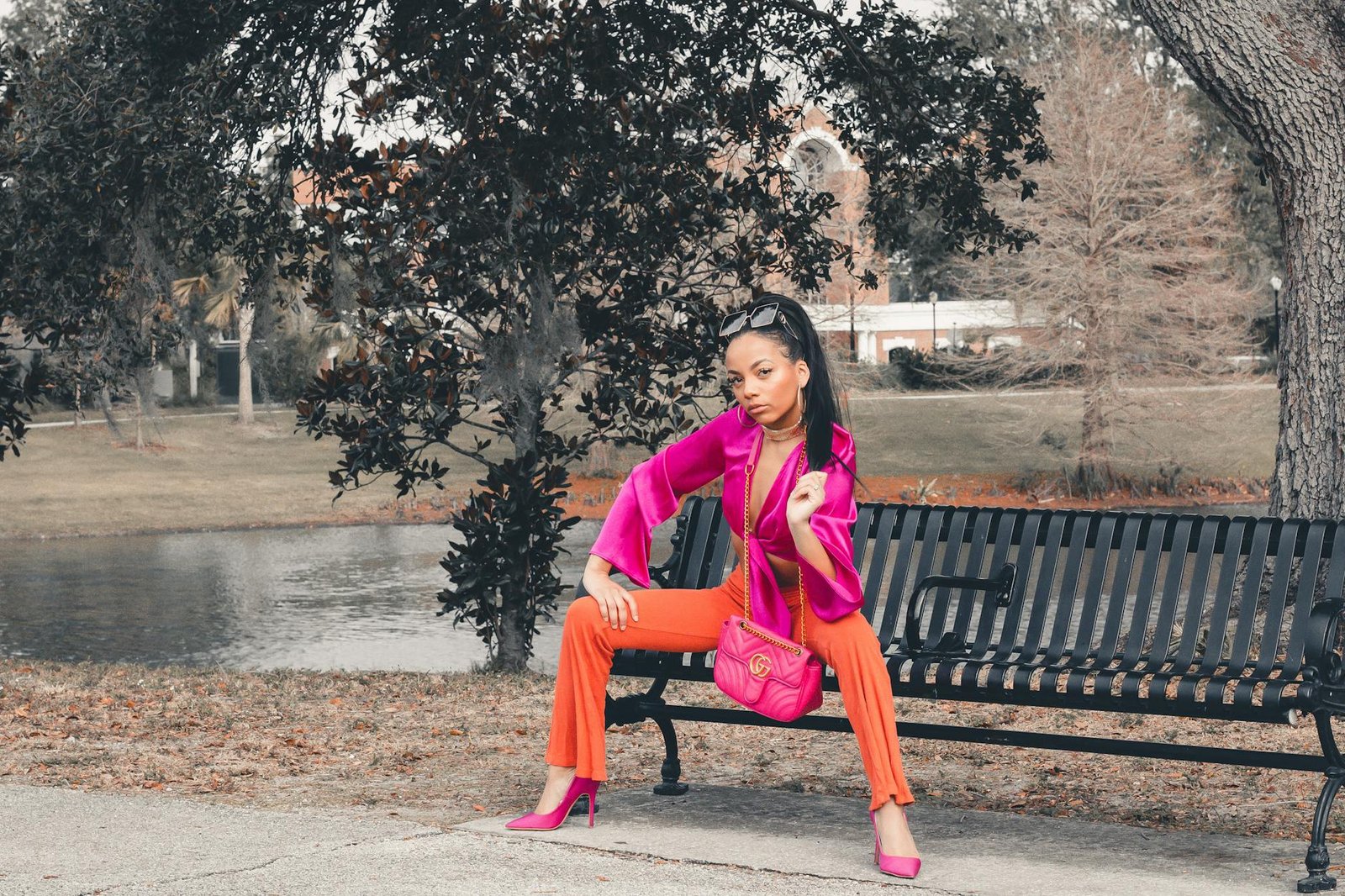
An ombre outfit incorporates clothing where the fabric colour fades or transitions from one tone to another — darker to lighter, or between two distinct hues. The ombre effect can appear in any garment category and creates visual movement and depth without using print or pattern.
What is the difference between ombre and gradient in fashion?
In fashion, ombre typically refers to a colour fade achieved through dyeing or knitting processes, often in a single-colour dark-to-light transition. Gradient more commonly describes a multi-colour transition, particularly in printed or digitally produced textiles. The terms overlap significantly in contemporary usage.
How do you style an ombre dress?
Style an ombre dress with neutral footwear (white trainers, nude sandals, or simple boots) in a tone pulled from the lighter or more neutral end of the ombre palette. Keep accessories minimal — the dress is doing enough visual work. Avoid competing prints, bold accessories, or heavily branded pieces that draw attention away from the ombre effect.