
Monochromatic Outfit Guide: How to Dress in One Color and Look Good
What Is a Monochromatic Outfit?
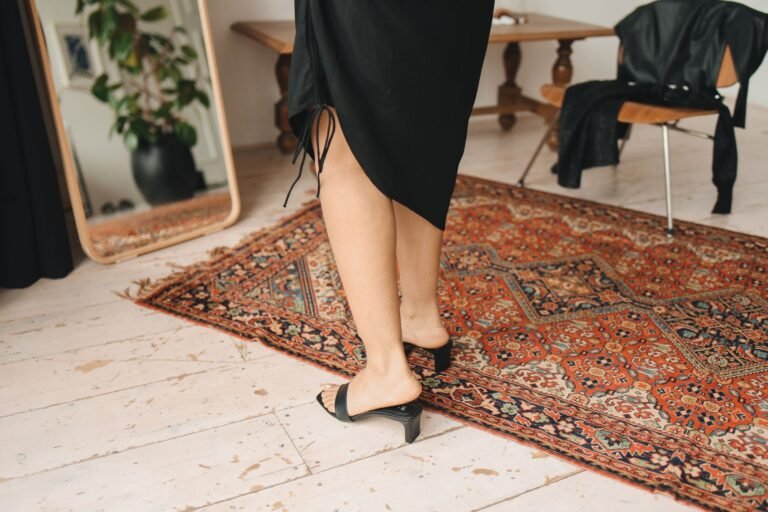
A monochromatic outfit is built entirely within a single color family — every piece in the look shares the same hue, whether at the same value or across different shades, tints, and tones. An all-black outfit is the most common monochromatic example.
An all-white look, an all-grey look, or a head-to-toe camel outfit are all monochromatic. But so is an outfit where every piece is blue — from deep navy trousers to cornflower shirt to pale sky blue sneakers — because all of those pieces exist within the same color family.
The power of monochromatic dressing is that it creates a clean, unified silhouette that reads as effortless and deliberate simultaneously. A monochromatic outfit requires less styling decision-making than a multi-color look, and when executed well, reads as more sophisticated than most mixed-color combinations.
The Two Types of Monochromatic Dressing
Exact Match Monochromatic
All pieces in the same specific color — matching as closely as possible. A rust-orange sweatshirt with rust-orange sweatpants in the exact same shade.
The effect is bold, intentional, and slightly surreal — it reads as a deliberate fashion choice rather than an accidental colour match. The difficulty is that exact matches are hard to achieve without buying a matching set, and small differences in dye lots or fabric types can create mismatches that look unintentional rather than considered.
Tonal Monochromatic
All pieces within the same color family at different values — dark to light within one hue. Deep navy trousers, medium blue shirt, pale blue shoes.
The variation in value (how light or dark the color is) creates visual interest and dimension that an exact match look does not have, while keeping the visual coherence of a single-color palette. Tonal dressing is significantly easier to build from a mixed wardrobe because exact matches are not required — only tonal alignment.
Monochromatic Outfits by Color
All Black
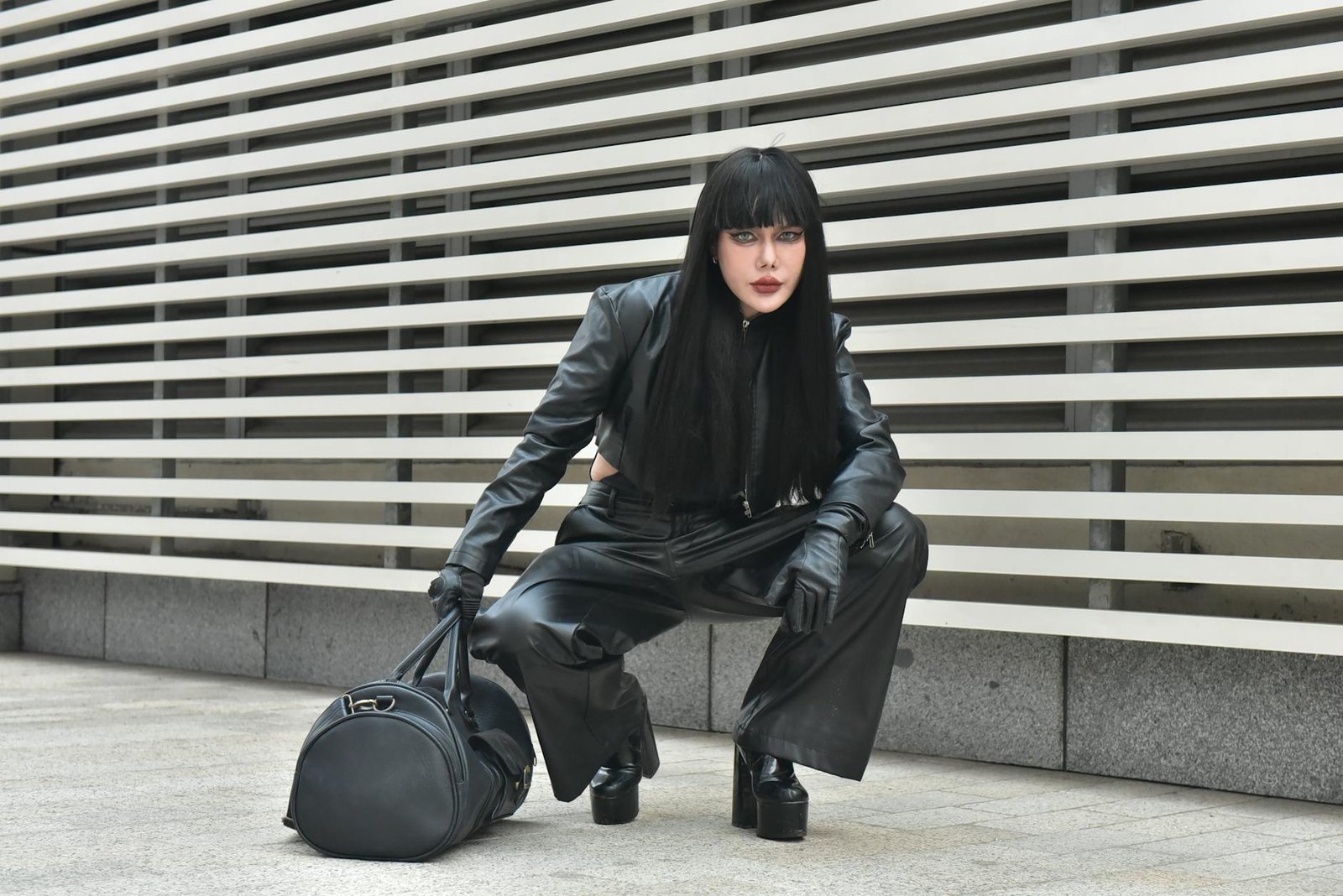
The most versatile monochromatic look in any wardrobe. All-black works in every context from casual to formal, requires no colour-matching decisions beyond fabric texture, and creates a silhouette that reads as sharp and intentional at every level of formality.
The key to making all-black interesting rather than flat: vary the textures within the palette. Matte black cotton next to glossy black leather next to ribbed black knitwear creates depth through surface difference even when the color is identical. All-black in a single flat texture reads as uniform; all-black in multiple textures reads as styled.
All White
A powerful and high-maintenance choice. All-white reads as clean, minimal, and confident. The challenges are practical — white shows dirt, different fabric whites rarely match exactly, and the palette requires strong contrast in accessories (black shoes, black bag) or a commitment to total whiteness that extends to footwear and accessories.
All-white in technical or performance fabrics (nylon, ripstop, mesh) reads differently from all-white in cotton or linen — the material defines whether the look feels athletic, minimal, or luxurious.
All Grey
The most accessible monochromatic look for building from an existing wardrobe. Grey exists in enough values and fabric types that tonal grey dressing is achievable without buying anything new.
Charcoal trousers, medium grey sweatshirt, heather grey tee layered underneath, grey trainers. The grey family absorbs texture variation beautifully — every grey looks intentionally different from every other grey rather than accidentally mismatched.
All Navy
Tonal navy dressing creates a quietly authoritative look — rich, considered, and more interesting than all-black because navy has warmth in it that black does not. Deep navy trousers with a medium navy shirt, lighter navy knitwear, and navy trainers or loafers. Navy also works well with a single white accent (white tee, white sole shoe) that technically breaks the monochromatic rule but reads as a navy-dominant outfit.
All Camel and Tan
One of the best-looking tonal palettes in contemporary fashion. The warm, earthy range from pale sand to deep tobacco accommodates significant value variation within a single look that remains cohesive. A camel coat over a tan shirt with light beige trousers and off-white or suede sneakers creates a total-tonal warmth that reads as luxurious and editorial without effort.
All Brown
Brown monochromatic dressing has had a significant revival in contemporary fashion — driven partly by sustainability aesthetics, partly by the Y2K and 90s nostalgic interest in earth tones. Dark chocolate trousers, medium brown hoodie or shirt, light tan or tan-cream shoes. The range within the brown family is wide enough to create genuine depth in a tonal outfit.
All Green

One of the most interesting monochromatic palettes because the green family is so visually varied. Dark forest green trousers, olive mid-layer, mint or sage accessories creates a look where the color family is recognisable but the individual values are distinct. All-green tonal dressing has a specific association with outdoor, military, and workwear aesthetics that can be leaned into or subverted depending on silhouette choices.
All Burgundy and Wine
A rich, seasonal monochromatic choice that works strongly in autumn and winter. Deep burgundy coat or jacket over wine-colored shirt over dark plum trousers.
The red-adjacent warmth of the burgundy family creates a look that reads as confident and polished. Works particularly well with dark brown or black leather accessories as the single cross-color element.
How to Build a Monochromatic Outfit
The process for building any monochromatic look:
- Choose a color anchor — pick the hue your outfit will live in. Start with a piece you already own and want to build around.
- Decide: exact match or tonal — matching sets are easier; tonal building from a mixed wardrobe requires identifying pieces that share the same color family without exact matching.
- Vary the textures — find pieces in different fabric weights and surface finishes within your chosen color. This creates the depth that prevents a monochromatic look from reading as flat or uniform.
- Handle accessories last — either stay strictly within the color family (same hue in leather, metal, fabric) or use one neutral accent (black, white, or metallic) that bridges without competing.
- Check proportions — monochromatic looks highlight silhouette because color is not doing the visual work. Make sure the proportions between pieces are intentional.
Common Monochromatic Outfit Mistakes
- Unintentional mismatches — two pieces that are supposed to be the same color but are clearly different shades is worse than tonal variety. Either match exactly or vary deliberately.
- Ignoring texture — a single-color outfit in all the same fabric reads as uniform. Varying texture is what separates dressed from uniformed.
- Flat silhouette — without color contrast to create visual interest, a monochromatic look needs to do its work through silhouette. Baggy-on-baggy in a single color disappears; structured pieces over a fitted base creates shape.
Frequently Asked Questions
What is a monochromatic outfit?
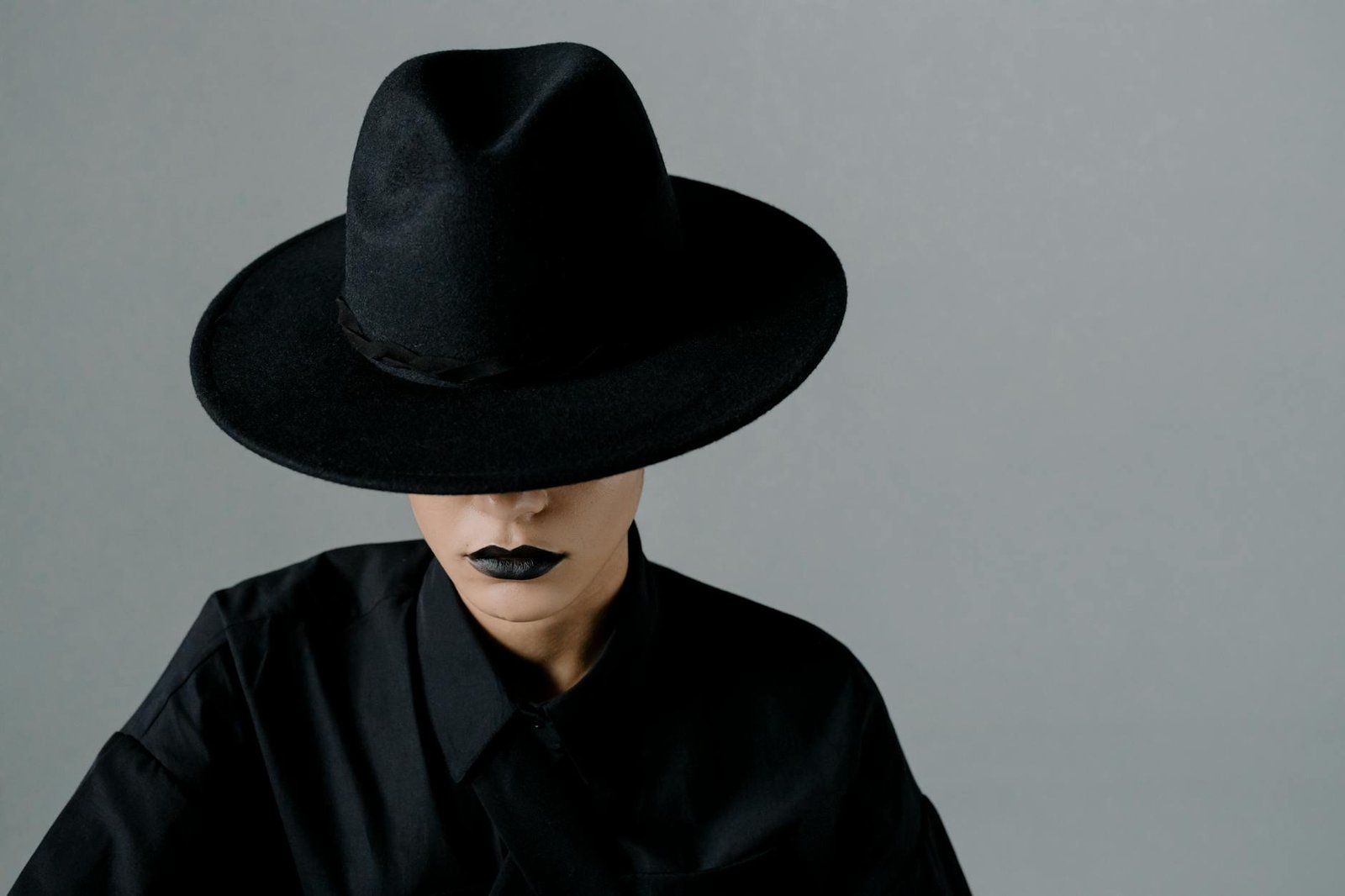
A monochromatic outfit uses a single color family across all pieces — either matching the exact shade throughout, or varying within one hue from dark to light values (tonal dressing). Examples include all-black, all-white, all-grey, and all-navy looks, as well as tonal outfits in blue, green, camel, or any other single hue.
What is the easiest color for a monochromatic outfit?
All-black and all-grey are the most accessible monochromatic choices because both colors exist in enough wardrobe staples that most people can achieve them without buying new pieces, and because small value mismatches within these neutral palettes read as intentional variation rather than mistakes.
Can you wear different shades of the same color in a monochromatic outfit?
Yes — tonal dressing, where you vary values within a single color family, is the most sophisticated and accessible form of monochromatic dressing. Different shades of blue, different values of brown, or different tones of green within a single outfit create depth and visual interest while maintaining the unified visual logic of a monochromatic look.
Marie Claire’s guide to styling monochrome outfits offers curated single-colour looks across a range of hues, demonstrating how to vary fabric and silhouette while staying within one tonal palette.