How to Style an Asymmetric Dress: Elevated Outfit Ideas
An asymmetric dress — any dress with a deliberately uneven or off-balance design element, most commonly an asymmetric hemline (shorter on one side than the other), an off-shoulder or single-shoulder neckline, or an asymmetric silhouette created through draping or cut — is one of fashion’s most effective single-piece statement choices. Its deliberate imbalance creates visual dynamism and movement that a perfectly symmetrical dress cannot: the eye travels across the garment rather than reading it as a single, static shape.
The asymmetric dress’s styling advantage is its built-in visual interest: when the dress itself is doing enough work through its cut, accessories and surrounding pieces can remain genuinely simple. An asymmetric dress is always its own statement — it needs supporting pieces, not competing ones.
Trend Overview
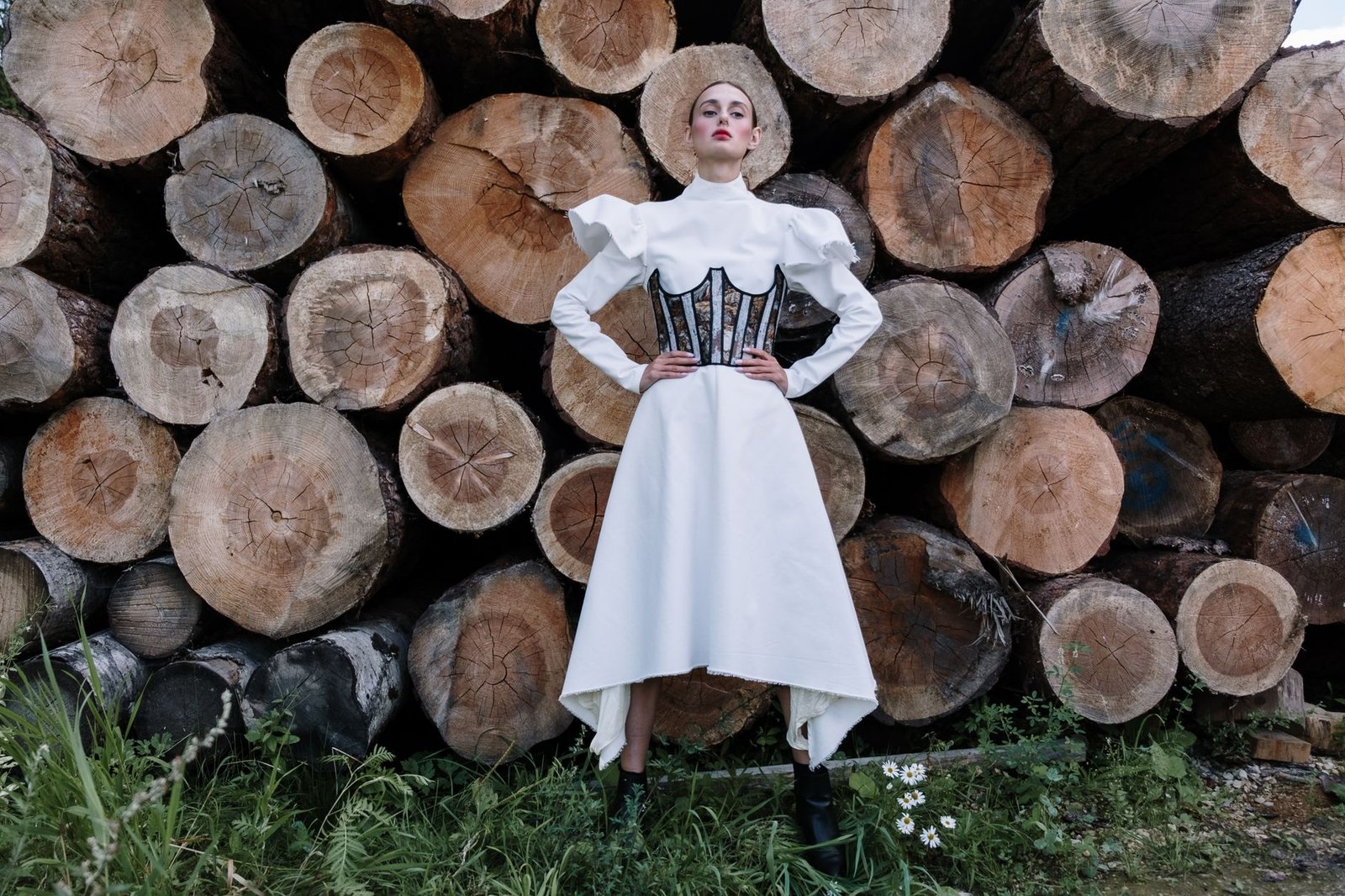
Asymmetric dresses have appeared consistently across high-fashion collections and commercial fashion lines for many seasons, driven by an ongoing interest in sculptural, architecturally-influenced fashion design. The asymmetric hemline in particular — where one side falls significantly shorter than the other, creating a diagonal cut across the leg — has appeared in midi-to-mini transitions that read as both unexpected and flattering, showing leg on one side while maintaining the coverage and elegance of a longer hemline on the other.
Styling Recommendations
Footwear
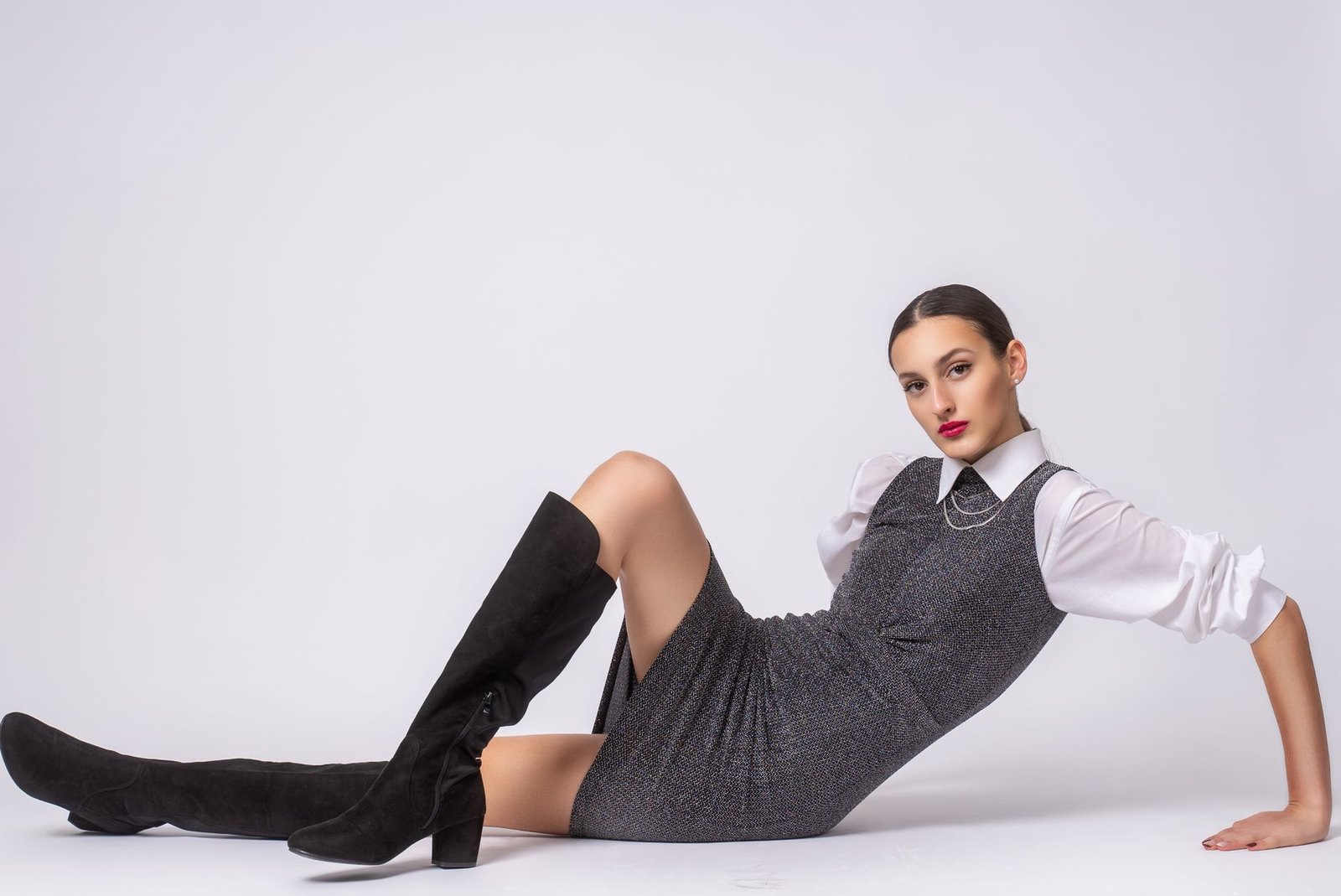
An asymmetric hemline dress requires careful footwear consideration because the uneven hemline creates a specific relationship between the shoe and the leg on both sides. Heeled shoes in a nude or complementary colour create the most elongating effect and the cleanest visual continuation of the leg line below the shorter side. Heeled sandals or pointed-toe heeled mules are particularly strong because they minimise the visual interruption between leg and shoe. Flat shoes can work with asymmetric dresses that have more graduated asymmetry; very flat, blunt-toe shoes can feel proportionally heavy against the dress’s designed lightness.

Accessories
An asymmetric neckline — particularly a one-shoulder design — creates a strong styling implication for jewellery: a single statement earring on the exposed side, no necklace (which would compete with the neckline’s design), or a simple cuff bracelet on the opposite arm. The asymmetry of the neckline is itself a design choice that functions as jewellery — adding further necklace layers clutters this deliberate design element.
The Minimal Approach
An asymmetric dress in a solid, clean colour — black, cream, red, cobalt blue — worn with minimal accessories, heeled shoes in a complementary colour, and a simple clutch is the most focused and most elegant approach. The dress carries all the visual complexity; every other element supports rather than distracts. This is the asymmetric dress in its most editorial, most deliberately fashion-conscious context.
Outfit Ideas
A black asymmetric midi dress with a high-low hemline, nude or black pointed-toe heels, and a simple envelope clutch. A single pair of statement earrings. This is the asymmetric dress at its most reliably elegant — the black colourway and the minimal accessories allow the dress’s cut to be the sole focus. Perfect for a dinner date, an evening event, or any occasion that calls for effortless sophistication.
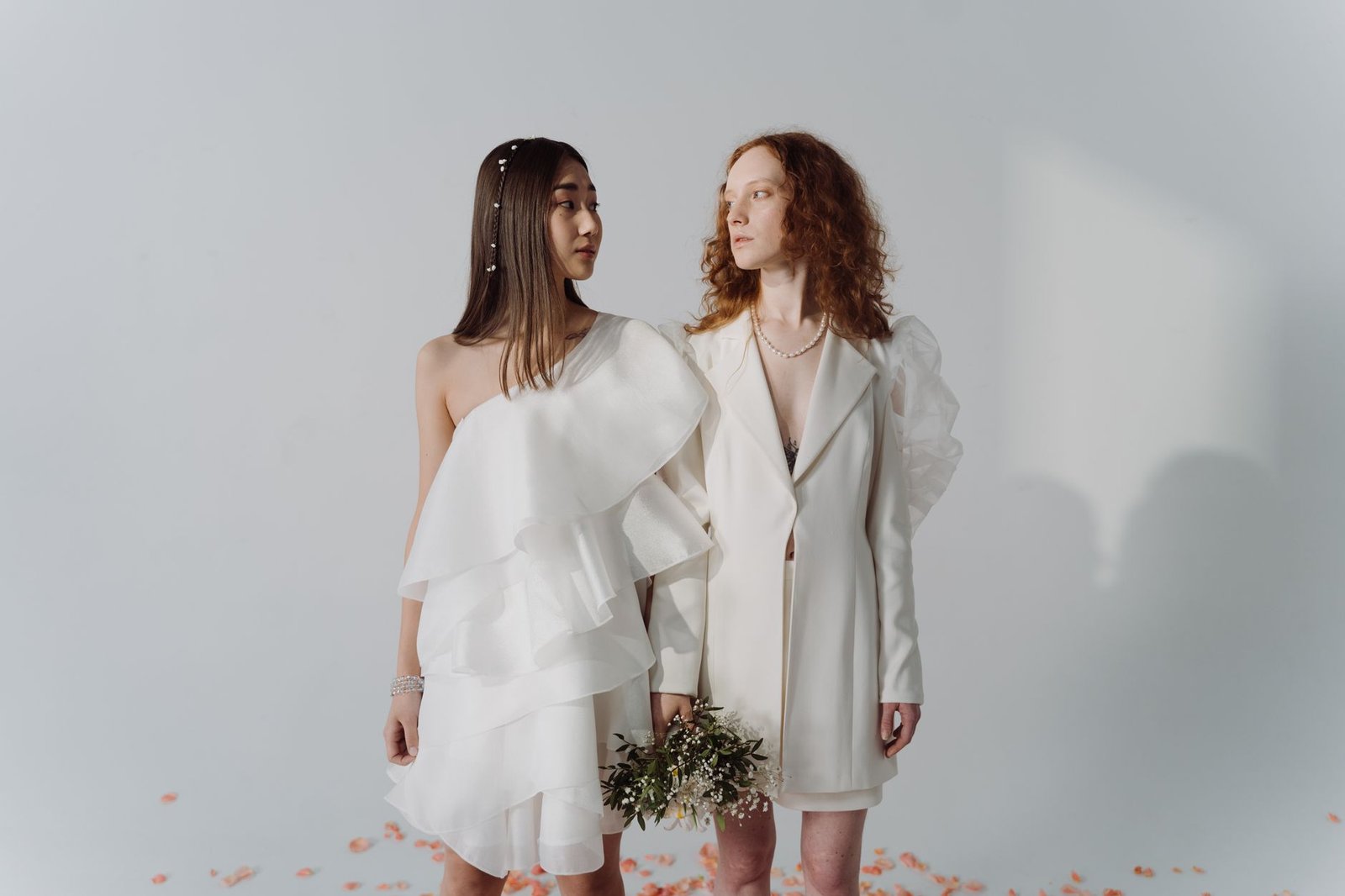
A cream or ivory asymmetric wrap dress with a lower hemline on one side, worn with gold heeled sandals and gold jewellery. A slip-style asymmetric dress in satin with a cami strap and a diagonal hemline. Both read as summer or spring occasion-appropriate — light, feminine, and visually distinctive without requiring any additional styling effort beyond choosing the right shoe colour.
A cobalt blue asymmetric dress with a draped shoulder and a structured high-low skirt for an evening occasion. Metallic or silver heeled sandals, simple silver jewellery, and a minimal clutch. The colour, the draping, and the asymmetry all work together to create an outfit that reads as genuinely considered and genuinely occasion-appropriate without overcrowding the design with accessories. According to Highsnobiety, the asymmetric dress has become one of the most consistently featured pieces in occasion-dressing coverage for its ability to create a memorable, visually distinctive look from a single piece rather than requiring a carefully assembled outfit.
Common Mistakes

The most common asymmetric dress mistake is adding too many layering pieces over or under it — a blazer over an asymmetric dress can obscure the neckline’s design; a contrasting layer beneath can interrupt the hemline’s deliberate line. An asymmetric dress is designed to be worn as a complete, standalone piece; layering often works against rather than with its design logic. If warmth is needed, a minimal layer that ends before the neckline design (a cropped cardigan or a wrap that clears the shoulder) is more sympathetic than a full overlay.
The second mistake is wearing the wrong undergarment — an asymmetric neckline often requires a specific approach to underwear that a standard bra doesn’t accommodate. A strapless bra, adhesive cups, or a built-in support are essential for one-shoulder or off-shoulder asymmetric necklines. Visible bra straps on the wrong side undermine the deliberate exposed-shoulder design element.
Shopping Considerations
The fit at the asymmetric hemline is the most critical quality indicator — the hemline should be cut precisely, with the longer and shorter sides measuring consistently across multiple body positions. A poorly cut asymmetric hemline that appears even when hanging but pulls unevenly when worn is a common quality issue in cheaper versions. Also check the neckline construction — asymmetric necklines require structured internal support (boning, a built-in cup, or reinforced draping) to maintain their shape; without adequate internal construction, they collapse throughout wear. The midi dress guide and mini dress guide cover related dress styling approaches at different lengths.
Frequently Asked Questions
What body type suits an asymmetric dress best?
Asymmetric hemlines are particularly flattering for straight or rectangular figures because the diagonal cut creates visual curves and movement where the natural body is more linear. For hourglass or pear-shaped figures, an asymmetric hemline draws the eye across the hips rather than straight down — this can be flattering or unflattering depending on the specific cut and how it interacts with the body’s proportions. The most universally flattering asymmetric approach is a high-low hemline that shows more leg at the front and more coverage at the back, which suits most body types by maximising leg length at the front while maintaining coverage at the widest part of the silhouette.
Can you alter an asymmetric dress?
Altering an asymmetric dress is significantly more complex than altering a standard dress because the deliberate imbalance means that any adjustment affects the carefully calibrated difference between the two sides. Length adjustments in particular require a skilled tailor who understands the asymmetric design intent and can recalculate both hemline levels proportionally. Standard alterations (taking in the sides, shortening the straps) are more straightforward. Always consult a tailor who has worked with asymmetric garments specifically rather than a general alterations service.
Conclusion
An asymmetric dress is one of the wardrobe’s most efficient occasion pieces — a single deliberate, architecturally-considered garment that creates visual dynamism and fashion intelligence without needing elaborate styling support. Keep the accessories quiet, choose heels that complement rather than compete, and allow the dress’s deliberately uneven design to make all the statements the outfit needs.