Balletcore Aesthetic Outfits: How to Dress the Graceful Dance-Inspired Style
What Is the Balletcore Aesthetic?
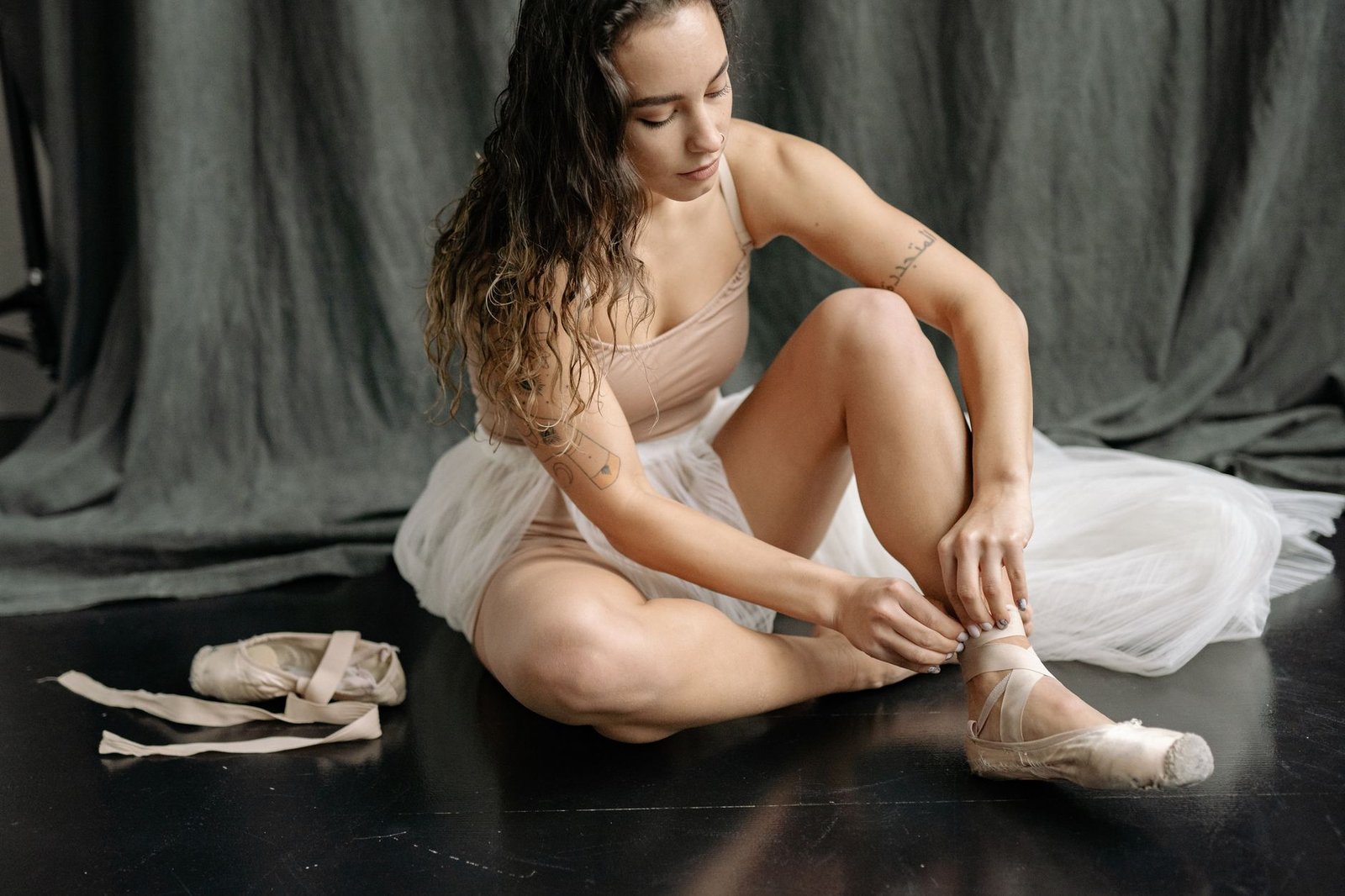
Balletcore is a fashion aesthetic that translates the visual world of ballet — the studio, the rehearsal room, the performance — into everyday wearable clothing. It draws from the specific garments and visual language of classical ballet: the wrap cardigan, the leotard, the tulle skirt, the leg warmer, the ribboned shoe, the bun. Where most dance-inspired fashion takes cues from the performance, balletcore focuses on the studio — the working dancer’s practical aesthetic rather than the stage costume.
As a fashion trend, balletcore gained significant mainstream traction in 2022 and 2023 and has sustained as an aesthetic framework into 2026, particularly among those drawn to feminine, soft, and movement-influenced clothing. The aesthetic aligns naturally with the broader cultural interest in softness, grace, and considered feminine dressing that characterises much of the current fashion moment.
Key Balletcore Pieces
- Wrap cardigan or wrap top — the quintessential balletcore upper body piece; the studio-worn wrap
- Leotard — worn as a top with skirts or trousers; the balletcore inner layer
- Tulle or layered skirt — midi or mini length; the most recognisably ballet-influenced skirt format
- Leg warmers — worn over tights or over boots; the most nostalgic and statement-making balletcore piece
- Ballet flat — with ribbon-wrap or classic flat construction; the footwear anchor of the aesthetic
- Fitted ribbed knitwear — in dusty pink, cream, or soft grey; the neutral balletcore knit
- Mesh or sheer top — often used as a layering piece in balletcore; adds translucent delicacy
Balletcore Outfit Formulas
Studio-Ready Look
A wrap cardigan or wrap top over a leotard or fitted ribbed tank, with a tulle midi skirt or straight-cut wide-leg trousers in a soft neutral, and ballet flats. This is the most directly reference-accurate balletcore outfit — it draws explicitly from the visual world of the dance studio and works as a complete, coherent aesthetic statement without requiring any additional anchoring pieces. With a bun hairstyle and minimal jewellery for the fullest balletcore expression.
Balletcore Street Style
A fitted ribbed cardigan or wrap top over a simple inner layer, with straight-leg or wide-leg trousers in a soft neutral, ballet flats, and a structured bag. This is the most wearable and streetwear-accessible balletcore interpretation — it takes the aesthetic’s colour palette and top silhouette into a straightforward casual-chic outfit without the more explicitly dance-costume elements like tulle or leg warmers. The ballet flat and the soft-neutral palette carry the aesthetic character.
Tulle Skirt Balletcore
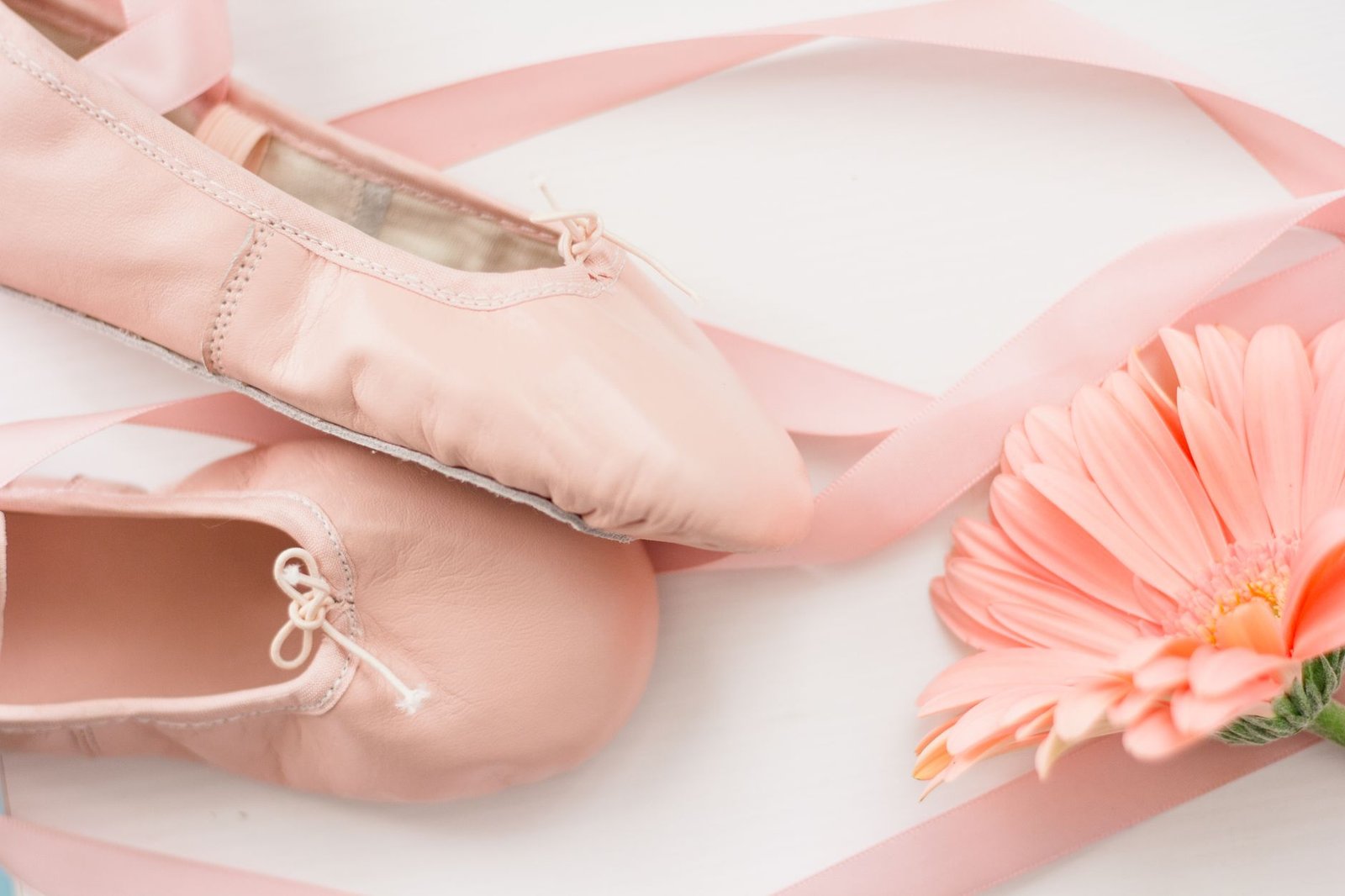
A fitted ribbed top or wrap cardigan with a tulle midi skirt in dusty pink, white, or black, and ballet flats or heeled Mary Janes. The tulle skirt is the balletcore piece with the most direct visual impact — its volume and fabric texture communicate the aesthetic clearly even in a relatively simple outfit. Most effective in muted or dusty tones rather than bright or saturated ones; balletcore’s palette is soft rather than vivid.
Leg Warmer Layering
A fitted or wrap upper body piece, with simple straight-leg trousers or over a fitted mini or midi skirt, with leg warmers over tights or over the top of boots, and ballet flats or trainers. The leg warmer is the balletcore piece with the most fashion risk — it is highly aesthetic-specific and will read as a statement choice rather than a casual selection. It works best when the rest of the outfit is relatively simple and the leg warmer is the deliberate focal point.
Balletcore Minimal
A fitted leotard body tucked into straight-cut midi-length trousers or a simple satin skirt, with ballet flats, a structured mini bag, and a single delicate jewellery piece. The minimal approach takes the balletcore aesthetic through its most fashion-forward and least overtly costume-influenced route — the leotard body and ballet flat are the aesthetic references, but the outfit overall reads as clean and considered rather than explicitly dance-inspired.
Balletcore Colour Palette
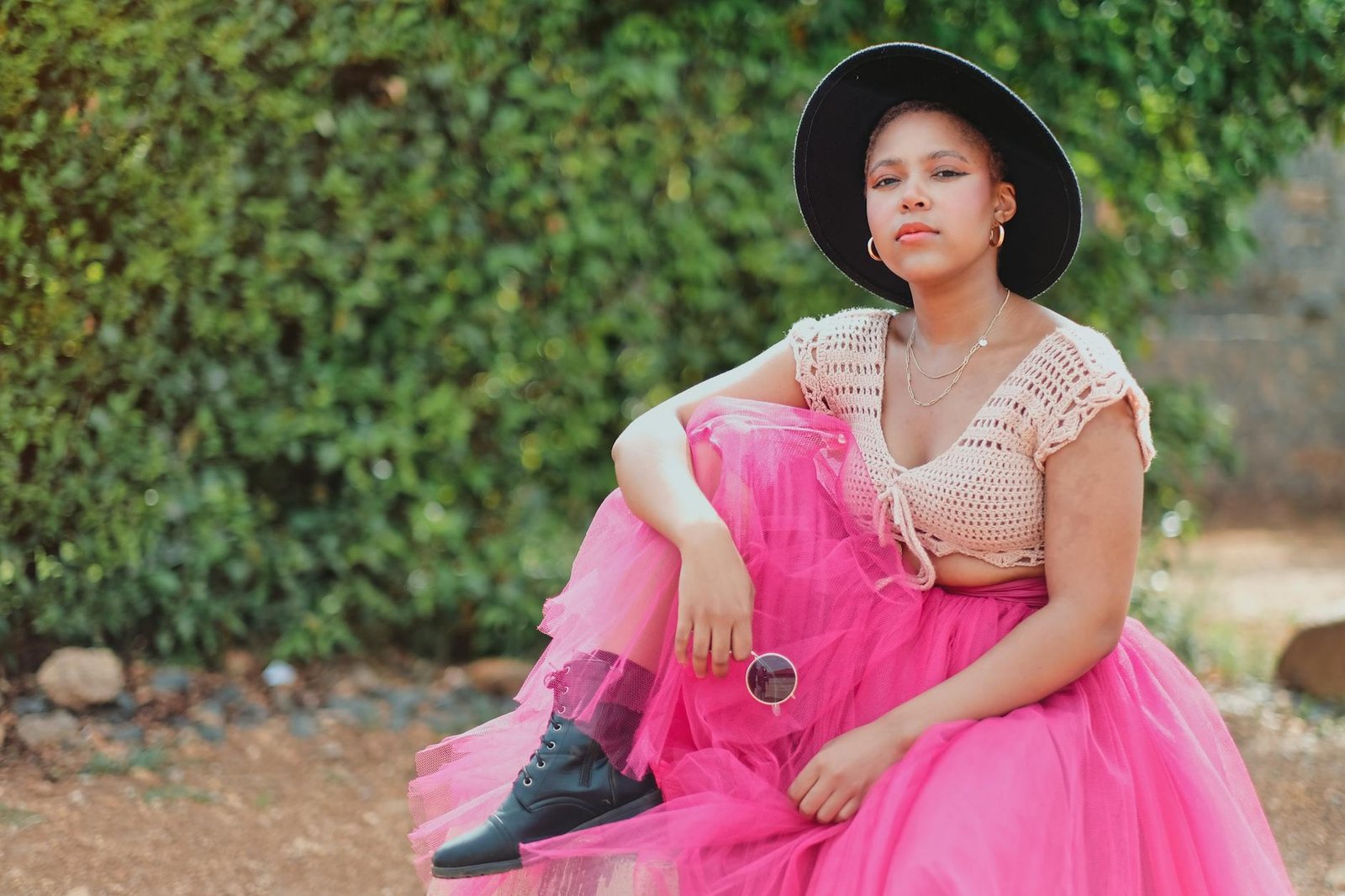
The balletcore palette is built around the specific tones of the ballet studio and the classical performance world: dusty pink (the most iconic balletcore tone), warm cream and ivory, soft grey, pale lavender, warm white, and black. Muted and dusty versions of these tones rather than bright or saturated ones — balletcore’s visual register is soft and faded rather than vivid. The palette’s coherence is one of the aesthetic’s strongest visual characteristics; individual balletcore pieces in these tones combine naturally without requiring significant colour-matching effort.
For readers who love the soft, feminine character of balletcore, the coquette aesthetic outfit ideas extend into bows, ribbons, and maximalist femininity using a similarly delicate colour palette.
How to Start With Balletcore
The most accessible entry point to balletcore for those without existing wardrobe pieces is the ballet flat — a quality ballet flat in dusty pink, cream, or black can anchor a balletcore-influenced outfit built from pieces already in many wardrobes. The second most accessible entry point is the wrap cardigan or fitted ribbed knitwear in the aesthetic’s soft neutral palette; both are widely available and function well outside purely balletcore outfit contexts.
Refinery29’s coverage of Bridgerton-inspired summer fashion trends is useful context for understanding how balletcore and related feminine aesthetics have evolved in recent seasons, including mesh ballet flats, full skirts, and coquette accessories.
Frequently Asked Questions
What is balletcore fashion?
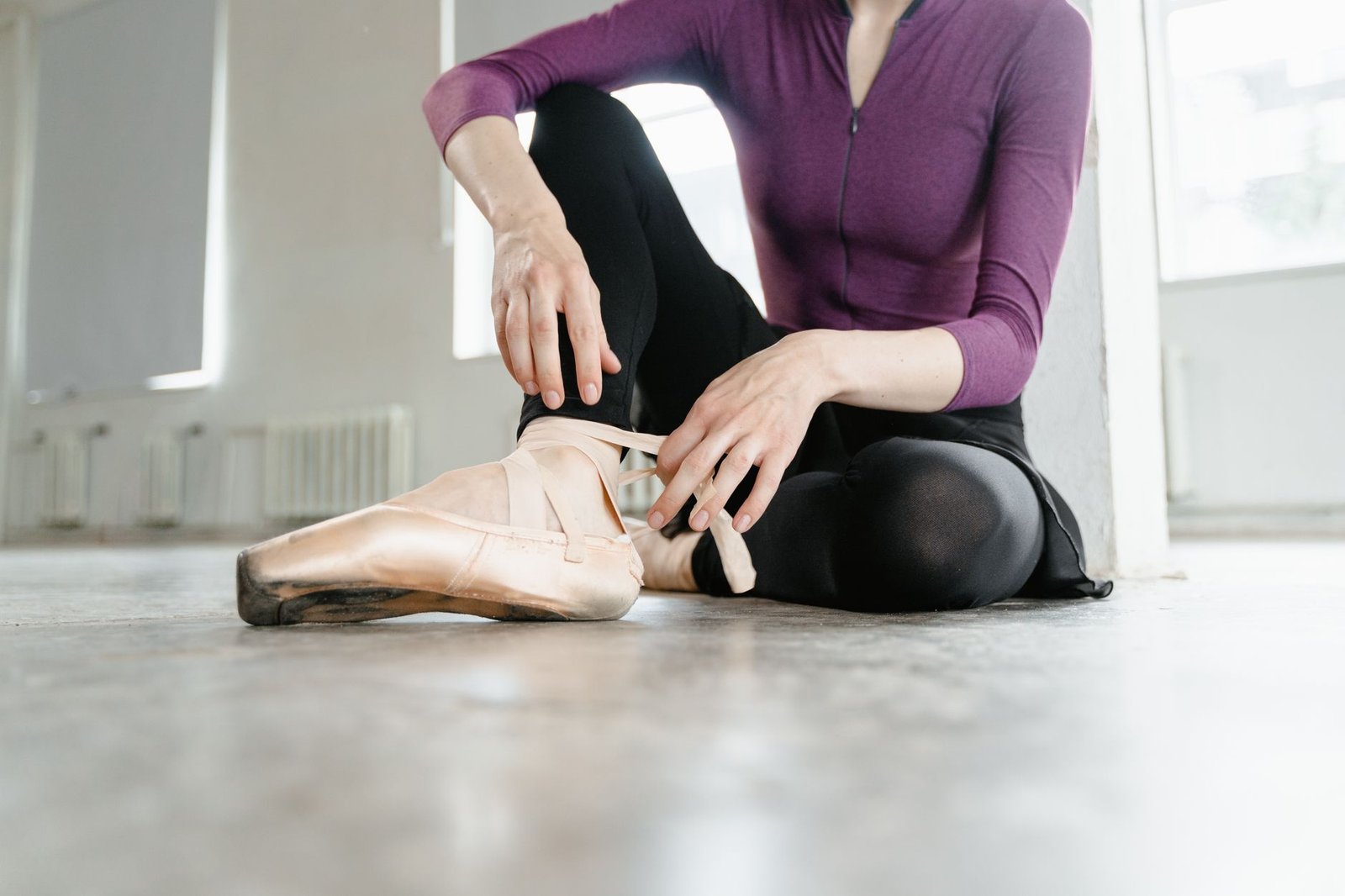
Balletcore is a fashion aesthetic that takes visual inspiration from the world of classical ballet — specifically the studio and rehearsal context rather than the stage performance. Key pieces include wrap cardigans, leotards worn as tops, tulle skirts, leg warmers, ballet flats, and fitted ribbed knitwear in a soft palette of dusty pink, cream, grey, and black.
Is balletcore still a trend in 2026?
Yes — balletcore has sustained as an aesthetic category beyond its initial trend peak and now functions as a stable visual framework for those drawn to soft, feminine, and movement-influenced dressing. Ballet flats in particular have remained a consistently strong footwear choice into 2026, and the broader softness aesthetic that balletcore belongs to continues to be culturally active.