Old Money Aesthetic Outfits: How to Dress Understated Wealth and Timeless Elegance
What Is the Old Money Aesthetic?
The old money aesthetic is a fashion approach built around the visual language of established, generational wealth — the specific sartorial culture of families whose wealth is so longstanding that it no longer needs to announce itself. Where new money dressing uses visible luxury branding, conspicuous consumption, and obvious signals of expensive acquisition, old money dressing communicates its status through quality of construction and fabric, adherence to classical dress codes, conservative colour choices, and a deliberate indifference to fashion trends that communicates security rather than aspiration.
The aesthetic draws heavily from specific visual traditions: British aristocratic country dressing (tweed, Barbour jackets, wellies, flat caps), American East Coast Ivy League and WASP dressing (madras, Brooks Brothers, Ralph Lauren), and the quiet elegance of European upper-class leisure — the specific visual world of summer in Capri, the Côte d’Azur, or the English countryside. The old money aesthetic is closely related to but distinct from quiet luxury — where quiet luxury focuses on contemporary fashion’s minimalist quality signalling, old money is specifically historical in its references.
The Old Money Aesthetic Palette

- Navy — the old money blue; universally worn across every context from sailing to social dinners
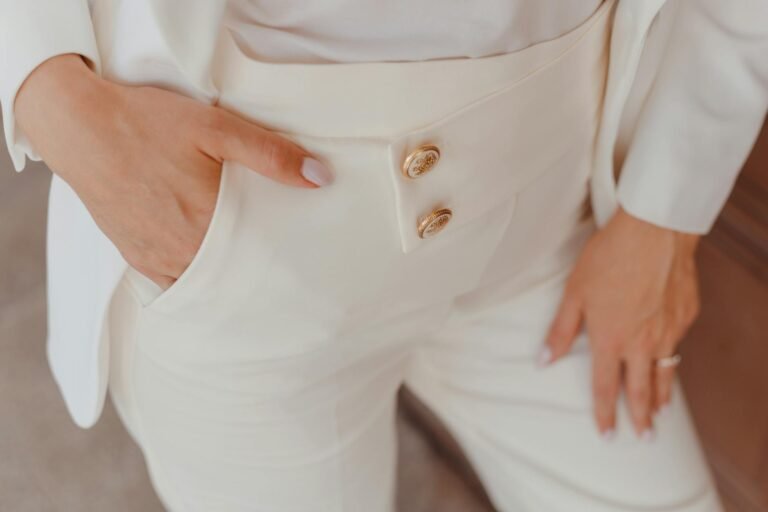
- Cream and ivory — the old money white; particularly in linen and cotton for warm-weather dressing
- Camel and tan — the warm neutral; in cashmere knitwear and classic trench coats
- Forest and hunting green — the country dressing green; tweed, cord, and field-sport associations
- Pale blue and sky blue — the preppy blue; particularly in Oxford shirts and light summer knitwear
- Muted burgundy and wine — the autumn and winter accent; in knitwear and accessories
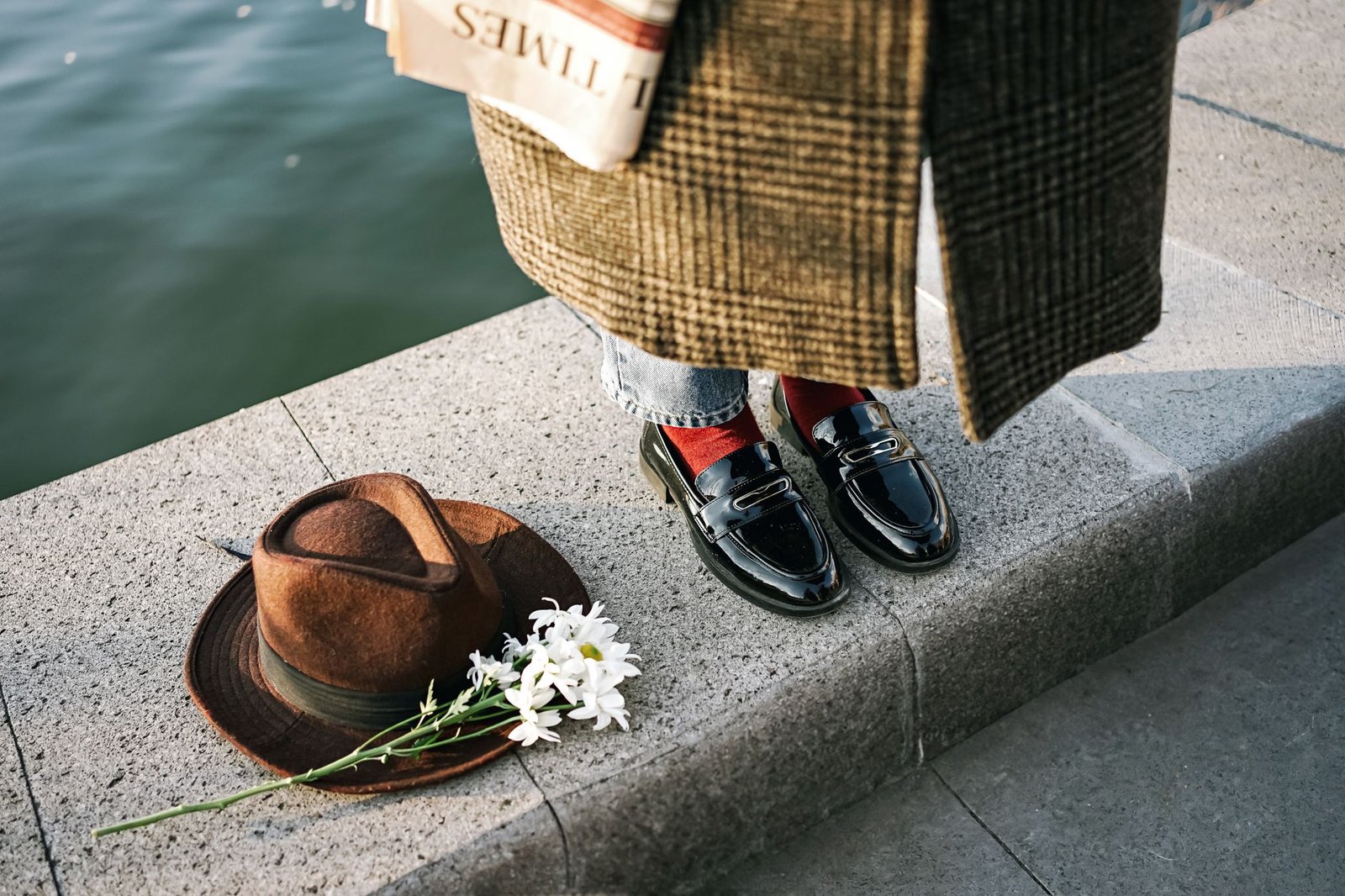
- Plaid and tartan — the old money pattern; in traditional British plaids and classic tartans
Key Old Money Aesthetic Garments
Tweed and Heritage Fabric Jackets
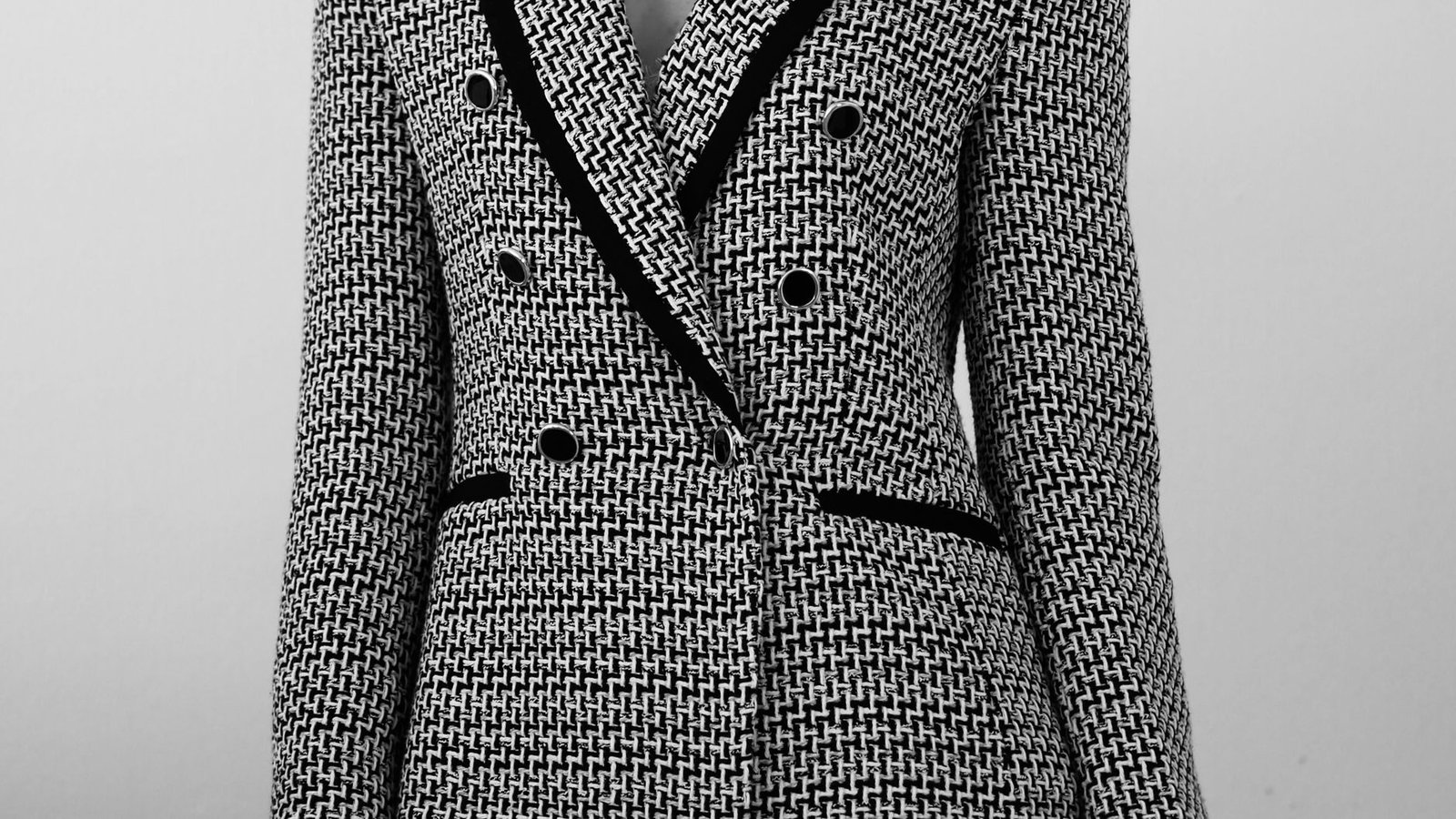
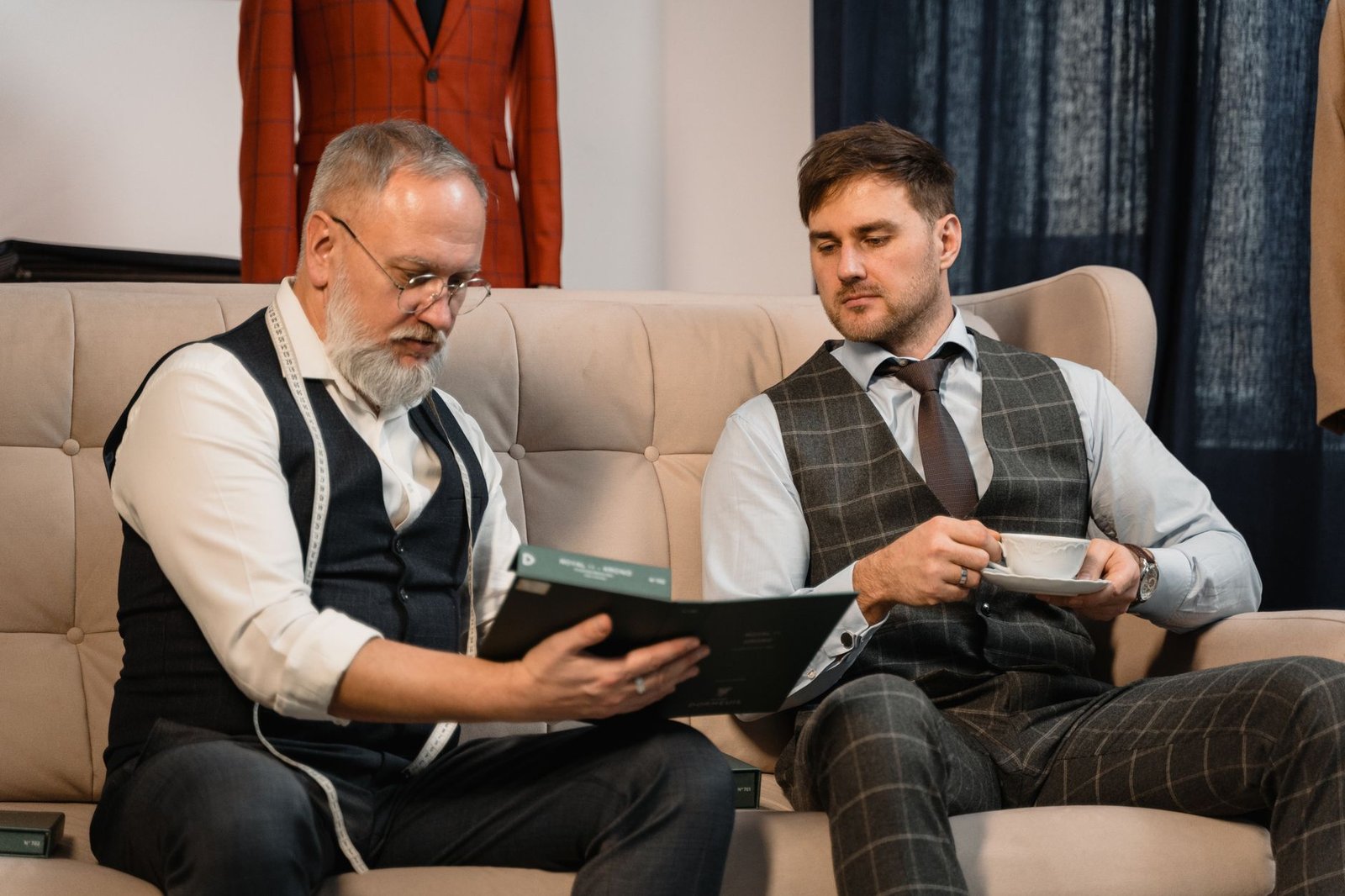
Tweed blazers and jackets — particularly in Scottish heritage tweeds, herringbone, or classic country patterns — are among the most directly old money-coded garments. Their association with British aristocratic and country-house dressing, their durability (a well-made tweed jacket lasts decades), and their seasonal and practical qualities all communicate the old money aesthetic’s fundamental values: quality, longevity, and dressing for function rather than fashion. Worn with tailored trousers and a collared shirt, a tweed jacket creates the most directly old money-coded outfit composition.
Oxford Shirts and Classic Button-Downs
A classic Oxford weave cotton button-down shirt — in white, pale blue, or pale pink — is the old money aesthetic’s foundational upper-body piece. Its softness, its slight texture, and its classic American preppy associations make it simultaneously casual and formal in the specific way that old money dressing values. Worn with the collar open and sleeves slightly rolled, or fully buttoned under a blazer, the Oxford shirt is adaptable across old money dressing’s range from casual to formal.
Classic Knitwear
Cashmere and quality wool knitwear — crewneck and v-neck sweaters in classic solid colours (navy, cream, camel, pale grey) or in understated patterns (Fair Isle, cable knit) — are central to old money dressing. The specific quality of good cashmere communicates its own status without any branding or signalling; a worn-soft, genuinely old cashmere sweater that has aged over years of regular wearing is more old money-coded than a crisp new expensive-brand piece.

Wide-Leg or Tailored Trousers in Classic Fabrics
Tailored trousers in classic fabrics — wool flannel, fine cotton, linen, or corduroy — in navy, camel, cream, or forest green. The old money approach to trousers prioritises quality of fabric and cut over silhouette trend — a perfectly cut pair of navy wool flannel trousers that fit beautifully and have aged to a soft patina is more old money than any contemporary trend piece in the same category.
Classic Leather and Heritage Footwear
Loafers (particularly penny or tassel loafers in leather), Oxford shoes, boat shoes, and classic leather knee or ankle boots are the old money aesthetic’s footwear vocabulary. Their quality, their longevity, and their association with specific historic leisure and professional dressing contexts all carry old money coding. Footwear that is visibly well-made and well-maintained communicates more effectively than new footwear in the same style.
Old Money Aesthetic Outfit Ideas
Country House Casual
A tweed or herringbone blazer over an Oxford shirt (collar open), with well-pressed corduroy or tailored trousers in camel or forest green, leather loafers, and a slim leather watch. A cashmere crewneck instead of the blazer on cooler days. This is the most directly legible old money casual outfit — it references British country-house dressing without requiring any single expensive piece.
Classic Summer Old Money
A cream or pale blue linen shirt with tailored navy or cream linen trousers, leather loafers or boat shoes (sockless for the most old money summer approach), and a navy or natural blazer carried rather than worn. A simple gold watch and minimal accessories. The linen-and-navy summer combination is universally old money-coded — it references sailing, the Riviera, and the East Coast summer leisure world simultaneously.
Old Money Women’s Classic
A navy or cream midi skirt with a fitted cashmere or cotton jumper tucked in (or with a simple collared shirt), leather loafers or ballet flats, pearl or gold minimal jewellery, and a classic leather bag. The combination of classic feminine pieces in quality materials and a conservative palette creates the women’s old money aesthetic in its most complete expression.
All-Navy
A tonal navy outfit — navy Oxford shirt, navy tailored trousers, and navy or tan leather shoes — is both old money and minimalist simultaneously. The navy tonal combination is one of the most universally flattering and universally appropriate outfit formulas, and its specific association with Ivy League, naval, and aristocratic dressing makes it immediately old money-coded without requiring any pattern or distinctive garment type.
For a deeper look at the old money aesthetic and how stylists approach quiet luxury dressing, Who What Wear’s old money aesthetic guide explores the specific wardrobe pieces and styling principles that define the look.
Frequently Asked Questions
What is the old money aesthetic?
The old money aesthetic is a fashion approach based on the visual language of generational, established wealth — specifically the British aristocratic and American Ivy League/WASP dressing traditions. It uses quality natural fabrics (tweed, cashmere, Oxford cotton, linen), conservative colour palettes (navy, cream, camel, forest green), classic silhouettes, and logo-free or understated heritage branding to communicate status through quality and longevity rather than conspicuous consumption or trend-following.
What is the difference between old money and quiet luxury?
Old money is specifically historical in its references — it draws from British aristocratic and American Ivy League dressing traditions, and carries those specific cultural associations. Quiet luxury is contemporary and aesthetic in its approach — it’s defined by quality-over-branding principles and a neutral minimalist palette without the specific historical or class-culture references of old money dressing. Old money dressing may include heritage patterns (tweed, plaid, madras) and traditional garment categories that quiet luxury doesn’t; quiet luxury tends to be more deliberately minimal than old money.